
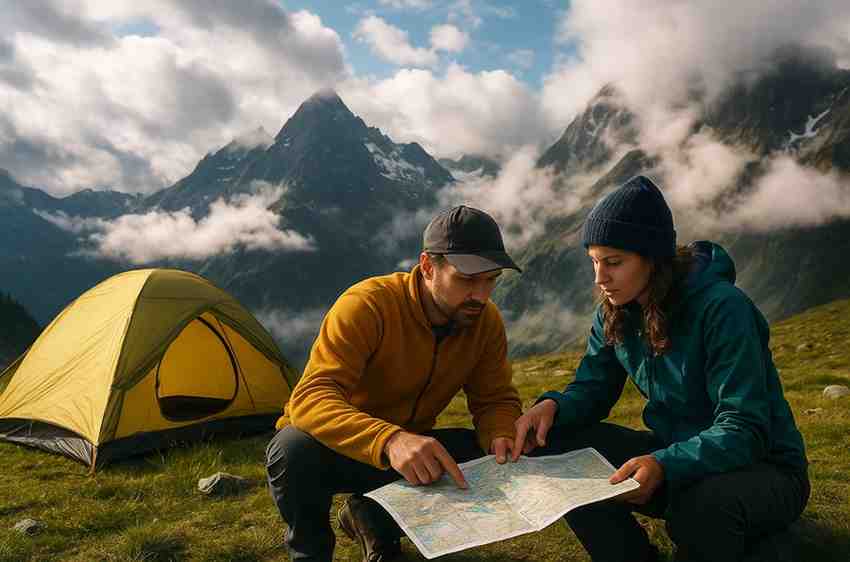
Your Ultimate Guide to Mountain Weather Forecast Guide for Hikers and Campers
Introduction: Why Mountain Weather Forecasts Matter
Mountains have always fascinated explorers, hikers, and nature lovers. Their breathtaking beauty, serene silence, and sense of freedom draw adventurers from around the world. But there’s one thing that every mountain traveler learns quickly — the weather can change in a heartbeat.
A sunny morning can transform into a foggy afternoon or even a snowstorm by evening. Understanding and trusting a mountain weather forecast can be the difference between an enjoyable trek and a dangerous expedition.
In this comprehensive guide, we’ll explore how mountain weather forecasts work, what tools you should use, and how hikers and campers can interpret changing conditions to stay safe and make the most of their adventures.
1. The Challenge of Forecasting Mountain Weather
Forecasting mountain weather is one of the toughest jobs for meteorologists. Why? Because mountains create microclimates — small, localized weather systems that can differ drastically from nearby valleys or peaks.
Mountains act as natural barriers that alter wind flow, trap moisture, and cause dramatic temperature differences between elevations. As a result, traditional weather forecasts (like those for cities) often fail to capture the rapid changes that happen in high altitudes.
Key factors that make mountain forecasts complex:
- Altitude variation: Temperature drops roughly 6.5°C for every 1,000 meters gained in elevation.
- Orographic effect: When moist air rises along slopes, it cools and forms clouds or precipitation.
- Wind patterns: Mountains deflect and accelerate winds, creating turbulence and pressure changes.
- Temperature inversion: Cold air settles in valleys, while warmer air rises higher — reversing normal patterns.
That’s why mountain-specific forecasts are essential for hikers and campers.
2. Understanding the Basics of Mountain Weather Forecasts
Mountain Weather Forecast Guide use advanced data from satellites, weather stations, and models that simulate atmospheric movement over rugged terrain. But for the average outdoor enthusiast, it’s more practical to understand the key weather elements that matter most:
Temperature
At higher altitudes, temperatures drop quickly. Always check the “freezing level” — the elevation at which temperatures reach 0°C (32°F). Above this line, expect snow or icy conditions, even in summer.
Wind
Winds are often stronger and more unpredictable on ridges and peaks. High winds can make temperatures feel much colder due to the wind chill effect. Always monitor gust speeds and direction before hiking or camping at elevation.
Visibility
Fog, mist, or low clouds can reduce visibility dramatically in minutes. This can make navigation nearly impossible — especially on narrow trails or ridgelines.
Cloud Cover
The type and movement of clouds can reveal what’s coming:
- Puffy cumulus clouds often mean fair weather.
- Growing cumulonimbus clouds signal storms or lightning.
- Lenticular clouds (lens-shaped) indicate strong winds aloft.
Precipitation
Rain and snow occur more often and heavily on windward slopes. On the leeward side, you might experience dry, clear weather due to the “rain shadow effect.”
Understanding these basics allows hikers to interpret forecasts and recognize when the weather may turn.
3. Best Tools and Apps for Mountain Weather Forecasts
In the digital age, hikers and campers have access to accurate, location-based forecasts tailored for mountain terrain. Here are some of the most trusted tools:
1. Mountain-Forecast.com
A global favorite among trekkers and mountaineers. Provides detailed 3-day forecasts for thousands of peaks, including temperature, wind, freezing levels, and summit conditions.
2. Windy
This app visualizes real-time wind patterns, radar data, and pressure systems. Perfect for understanding broader weather movements around mountain regions.
3. Meteoblue
Offers advanced weather models with high-resolution mountain forecasts, including visibility, snow depth, and cloud layers.
4. AccuWeather & Weather.com
General weather apps, but reliable for low- to mid-elevation hikes when combined with topographical awareness.
5. Local National Park or Alpine Club Websites
Many protected areas publish their own mountain-specific alerts, updated daily by on-site rangers or meteorologists.
Always cross-check weather forecast from at least two sources — this gives you a more reliable idea of trends and potential hazards.
4. How to Read and Interpret Mountain Forecasts
Knowing how to read a mountain forecast can make all the difference between success and setback. Here’s what to focus on:
Elevation Layers
Forecasts often provide weather for multiple elevations (base, mid, summit).
Example:
- 1,000m: 18°C, clear
- 2,000m: 12°C, cloudy
- 3,000m: 6°C, snow possible
This shows how quickly weather changes with altitude.
Freezing Level
If your campsite or hiking route crosses this level, be prepared for frost, snow, or slippery terrain.
Wind Speed
- 0–20 km/h: Calm and safe
- 20–40 km/h: Manageable for most hikers
- 40–60 km/h: Caution; may affect balance
- 60+ km/h: Dangerous for ridges and exposed peaks
Precipitation Probability
Even a 30% chance in mountains can mean a sudden downpour — always plan for rain or snow.
Sunrise/Sunset & UV Index
At high altitudes, UV exposure is much stronger. Bring sunscreen and sunglasses, even on cloudy days.
5. Recognizing Weather Changes in Real Time
Technology helps, but your own observations on the trail are just as valuable. The mountains often “talk” through signs you can learn to recognize:
- Rapidly darkening clouds → Imminent thunderstorm
- Temperature drops + rising winds → Cold front approaching
- Clouds forming around peaks → Moist air lifting; rain likely
- Sudden silence in wildlife → Possible storm or atmospheric shift
Always trust your instincts. If the sky or wind feels “off,” turn back or seek shelter. Mountains reward caution.
6. Weather Tips for Hikers and Campers
Whether you’re spending a single day hiking or several nights camping, preparation is your best defense against mountain weather surprises.
Essential Safety Tips
- Check forecasts twice — before leaving and right before starting your hike.
- Layer your clothing — base (moisture-wicking), mid (insulation), and outer (waterproof/windproof).
- Pack for all seasons, even in summer: rain gear, thermal gloves, and a beanie.
- Set camp early — mountain storms often form in the afternoon.
- Avoid exposed ridges during lightning or heavy winds.
- Stay hydrated and fueled — cold air increases energy loss.
- Keep navigation tools (map, compass, GPS) handy if visibility drops.
Pro Tip:
Plan your summit or highest point before noon — weather is usually calmer in the morning and deteriorates later in the day.
7. Lightning, Storms, and Sudden Weather Shifts
Lightning is one of the biggest dangers for mountain hikers and campers. Because you’re closer to cloud bases, strikes can happen unexpectedly.
If caught in a storm:
- Descend immediately to a lower elevation.
- Stay away from metal poles, trekking gear, or isolated trees.
- Crouch low on dry ground; avoid lying flat.
- Wait at least 30 minutes after the last thunder before resuming.
In addition, sudden temperature drops can bring hypothermia risks — especially if you’re wet or exposed. Always carry dry clothes and an emergency blanket.
8. How Climate Change Is Impacting Mountain Weather Forecasts
As global temperatures rise, mountain weather is becoming even harder to predict. Scientists are observing shifts in snow patterns, storm frequency, and glacier melt rates.
Recent impacts include:
- Less predictable snow seasons — snow arriving later, melting earlier.
- Increased thunderstorms at higher elevations.
- More rain instead of snow, even in traditional alpine zones.
- Glacier retreat, altering local wind and precipitation systems.
These changes make accurate forecasting and preparedness even more important for hikers and campers in the years ahead.
9. Planning Your Adventure Around the Forecast
Here’s how to turn a forecast into a safe and enjoyable plan:
- Check the forecast 2–3 days ahead of your trip.
- Monitor hourly updates on the morning of your hike.
- Identify “weather windows” — short periods of stable weather ideal for summits or long treks.
- Have a Plan B — lower elevation hikes or alternative routes.
- Leave your itinerary with a friend or ranger station.
By integrating forecasts into your planning, you’re not just staying safe — you’re aligning your adventure with nature’s rhythm.
Conclusion: Conquering Peaks with Knowledge and Respect
Mountain weather is unpredictable, powerful, and awe-inspiring. But with the right knowledge and tools, hikers and campers can experience its beauty safely.
A mountain forecast is more than just numbers — it’s a window into nature’s pulse. When you understand the patterns of wind, cloud, and temperature, you become part of the mountain’s rhythm.
So before you set out on your next adventure, take a moment to read the forecast, feel the air, and respect the power of the peaks. The mountains will always reward those who come prepared — with safety, serenity, and unforgettable views above the clouds.