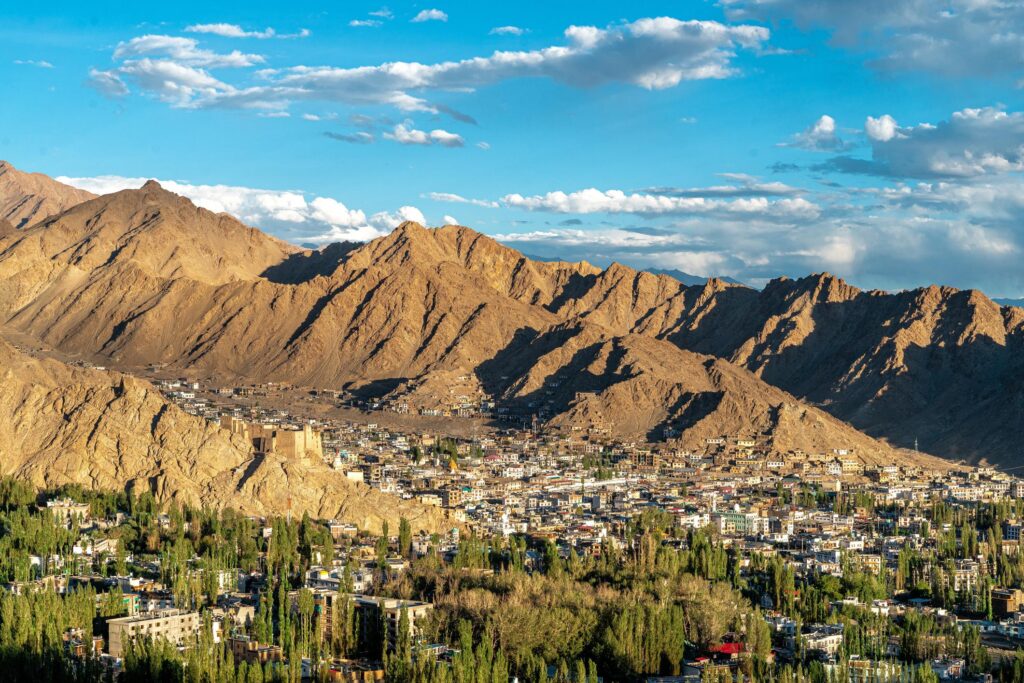
High in the Himalayas, Leh Ladakh is unlike any other destination in India. Dramatic mountain passes, crystal-clear lakes, ancient monasteries, and vast cold deserts create a landscape that feels almost otherworldly. But here’s the truth — Ladakh’s beauty is deeply tied to its extreme weather.
Unlike most hill stations, Ladakh experiences harsh winters, short summers, thin air, and unpredictable mountain conditions. Choosing the right month is not just about comfort — it’s about accessibility and safety.
In this detailed month-by-month travel guide, we’ll help you understand when to visit Leh Ladakh, what weather to expect, and how to plan your trip smartly. For real-time updates before departure, always check the latest forecasts on Wide Weather to track temperature swings and road conditions.
Understanding Leh Ladakh’s Climate
Leh sits at over 11,500 feet above sea level. That means:
- Thin oxygen levels
- Strong UV exposure
- Large temperature differences between day and night
- Extremely cold winters
Ladakh has only two main tourist seasons:
- Summer (May to September) – Travel-friendly
- Winter (October to April) – Harsh but magical
Month-by-Month Weather Breakdown
January – Deep Winter
- Temperature: -20°C to -5°C
- Heavy snowfall
- Frozen rivers and lakes
- Most roads closed
This is the coldest time of the year. Only suitable for extreme adventure travelers and photographers. The famous Chadar Trek happens during this season.
Not recommended for casual tourists.
February – Frozen Beauty Continues
- Temperature: -18°C to -3°C
- Snow-covered landscapes
- Limited accessibility
February remains brutally cold. However, snow lovers and winter photographers may find it magical. Flights operate, but road travel is mostly blocked.
March – Slow Transition
- Temperature: -10°C to 5°C
- Snow begins melting
- Roads still risky
Weather improves slightly, but it’s still very cold. Tourist facilities slowly start reopening toward late March.
April – Shoulder Season Begins
- Temperature: -5°C to 10°C
- Snow visible in higher areas
- Fewer crowds
April offers dramatic landscapes — snow on mountains but less severe cold. However, some high passes may remain closed.
Good for peaceful travel, but not peak accessibility.
May – Official Tourist Season Starts
- Temperature: 0°C to 15°C
- Roads from Manali and Srinagar start opening
- Clear skies
May marks the beginning of Ladakh’s main tourist season. Snow still decorates the mountains, but daytime travel becomes comfortable.
Great month for:
- Pangong Lake visits
- Nubra Valley exploration
- Monastery tours
June – Pleasant & Popular
- Temperature: 5°C to 20°C
- Clear skies
- Fully open highways
June offers perfect sightseeing conditions. Roads are accessible, and the weather is ideal for bike trips.
However, this is peak tourist season — expect crowds.
July – Summer at Its Best
- Temperature: 8°C to 25°C
- Bright sunny days
- Occasional light rain
Ladakh remains mostly dry due to its cold desert climate. July is one of the best months for:
- Motorbike expeditions
- Camping
- Photography
Always monitor forecasts on Wide Weather before long road trips because sudden mountain weather shifts can occur.
August – Monsoon Impact Nearby
- Temperature: 8°C to 22°C
- Risk of landslides on connecting highways
While Ladakh itself receives minimal rainfall, heavy monsoon activity in Himachal Pradesh can affect road access.
Flight travel is safer during this period.
September – Perfect Balance
- Temperature: 5°C to 20°C
- Fewer crowds
- Clear blue skies
September is arguably one of the best months to visit. Tourist numbers drop slightly, and the weather remains stable.
Ideal for travelers who want pleasant weather without peak-season rush.
October – Early Winter Signs
- Temperature: -5°C to 15°C
- Cold nights begin
- Tourist services reduce
October offers beautiful autumn tones, but temperatures drop sharply at night. Many camps near Pangong and Nubra close by late October.
November – Harsh Cold Returns
- Temperature: -10°C to 10°C
- Snowfall begins
- Road closures possible
Travel becomes difficult again. Only experienced travelers should consider visiting.
December – Extreme Winter
- Temperature: -20°C to -5°C
- Heavy snow
- Frozen lakes
December transforms Ladakh into a frozen wonderland. However, infrastructure is limited, and only winter adventure travelers should visit.
Best Time to Visit Leh Ladakh
For most travelers, June to September is the best time.
- Comfortable temperatures
- All roads open
- Full access to Pangong Lake, Nubra Valley, Tso Moriri
- Safer driving conditions
If you want fewer crowds, choose May or September.
If you love snow and can tolerate extreme cold, January–February offer unique winter experiences.
Weather and Altitude Considerations
Ladakh’s weather isn’t the only challenge — altitude sickness is real.
Tips:
- Acclimatize for 24–48 hours in Leh
- Stay hydrated
- Avoid heavy activity on arrival
- Check oxygen levels if feeling unwell
Weather fluctuations combined with altitude make preparation essential. Always review updated weather trends on Wide Weather before planning high-pass crossings like Khardung La.
What to Pack Based on Season
Summer (May–September)
- Warm jacket
- Sunglasses
- Sunscreen (UV is strong at high altitude)
- Comfortable hiking shoes
Winter (October–April)
- Heavy thermal layers
- Snow boots
- Woolen gloves & caps
- Lip balm & moisturizer
Even in summer, nights can drop below 5°C — never underestimate Ladakh’s temperature swings.
When Should You Avoid Visiting?
Avoid traveling:
- During peak winter (unless experienced)
- During heavy monsoon if traveling by road from Manali
Safety should always be prioritized over adventure.
Final Verdict
Leh Ladakh is not a year-round casual destination. It’s a land of extremes — breathtakingly beautiful but weather-sensitive.
For comfortable travel and full accessibility, visit between June and September.
For snow experiences, choose January or February — but prepare for intense cold.
Before booking flights or planning road trips, monitor live conditions and temperature trends through Wide Weather to ensure a safe and enjoyable journey.
Frequently Asked Questions (FAQs)
1. Which is the best month to visit Leh Ladakh?
June and September are considered the best months due to stable weather and road accessibility.
2. Is Leh Ladakh safe during monsoon?
Ladakh receives little rainfall, but connecting highways may face landslides. Always check weather updates.
3. Can I visit Ladakh in winter?
Yes, but only if you are prepared for extreme cold and limited facilities.
4. Does it snow in Leh?
Yes, snowfall occurs mainly from November to March.
5. How cold does Leh get?
Winter temperatures can drop below -20°C.
6. Is altitude sickness common?
Yes, due to high elevation. Proper acclimatization is necessary.
7. Is September a good time to visit?
Yes, it offers pleasant weather with fewer crowds compared to peak summer.
Leh Ladakh rewards travelers who respect its climate. Plan wisely, prepare thoroughly, and always stay updated with the latest conditions to make your Himalayan journey unforgettable.