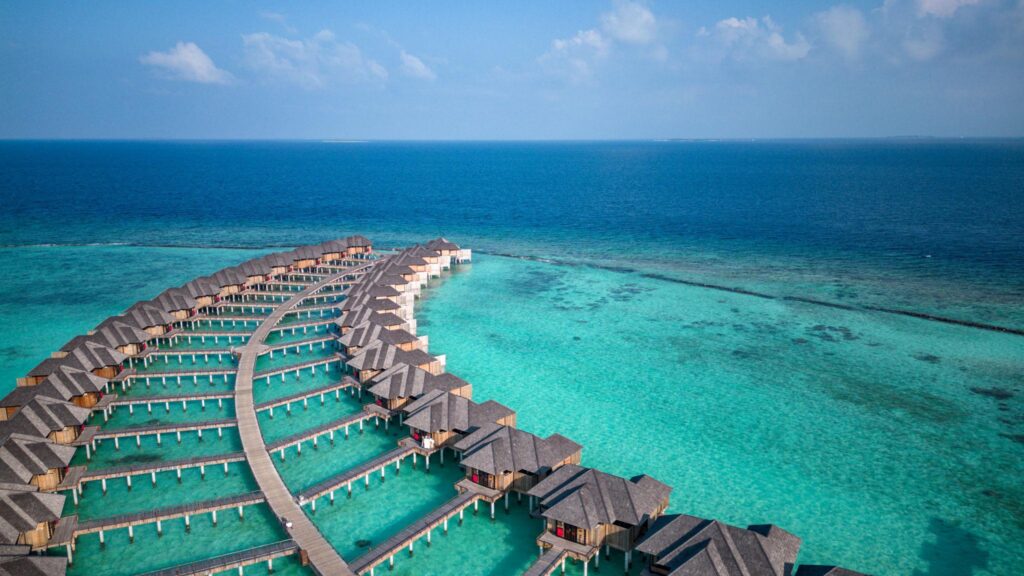
The Maldives is a dream destination known for turquoise lagoons, overwater villas, white-sand beaches, and world-class snorkeling. But since it’s a tropical island nation in the Indian Ocean, weather plays a huge role in your experience.
If you’re planning a honeymoon, luxury escape, diving trip, or budget island stay, choosing the right season can make all the difference. In this complete guide, we’ll break down Maldives weather by season and month, explain monsoon patterns, and help you decide the best time to visit for clear skies.
Understanding Maldives Climate
Maldives has a tropical monsoon climate. That means it’s warm year-round, with two main seasons:
-
Dry Season (Northeast Monsoon) – December to April
-
Wet Season (Southwest Monsoon) – May to November
Temperatures stay fairly consistent throughout the year:
-
Average daytime temperature: 28°C–32°C
-
Night temperature: 24°C–27°C
-
Sea temperature: 27°C–30°C
Humidity is generally high year-round, but rainfall varies significantly depending on the season.
December to April: Best Time for Clear Skies ☀️
This is the dry season and widely considered the best time to visit the Maldives.
Weather Conditions
-
Minimal rainfall
-
Clear blue skies
-
Calm seas
-
Lower humidity
-
Excellent visibility for snorkeling and diving
January, February, and March are especially known for postcard-perfect weather.
Why It’s Ideal
This period offers:
-
Crystal-clear water
-
Perfect beach conditions
-
Stunning sunsets
-
Smooth boat transfers
-
Ideal underwater visibility (20–30 meters)
Crowd Levels
-
Peak tourist season
-
Higher resort prices
-
Early booking required
December (especially Christmas and New Year) is the busiest and most expensive time of the year.
Best For:
-
Honeymooners
-
Luxury travelers
-
First-time visitors
-
Photography lovers
-
Snorkeling and diving enthusiasts
If your priority is clear skies and calm water, aim for January to March.
May to November: Monsoon Season 🌧️
The southwest monsoon brings increased rainfall, humidity, and occasional storms.
But that doesn’t mean constant rain all day.
Weather Conditions
-
Short, heavy rain showers
-
Cloudy skies at times
-
Stronger winds
-
Rougher seas
-
Increased humidity
Rain often comes in bursts, especially in the afternoon or at night.
Crowd Levels
-
Low tourist season
-
Major discounts on resorts
-
Quieter beaches
Advantages of Visiting During Monsoon
-
Significant hotel savings
-
Fewer tourists
-
Lush tropical scenery
-
Excellent surfing conditions (especially June–September)
Disadvantages
-
Unpredictable rain
-
Reduced underwater visibility at times
-
Possible boat transfer delays
Best For:
-
Budget travelers
-
Surfers
-
Travelers who don’t mind occasional rain
-
Repeat visitors looking for deals
Month-by-Month Maldives Weather Guide
January
One of the best months. Sunny, dry, calm seas.
February
Often the driest month. Perfect beach and diving weather.
March
Hot, sunny, slightly more humid but still excellent.
April
Transition month. Mostly sunny but occasional showers begin.
May
Start of monsoon. Increasing rainfall and wind.
June
Frequent showers but lower prices.
July
Rainy spells, good surfing conditions.
August
Cloudy days mixed with sunshine.
September
One of the wettest months.
October
Rain starts decreasing.
November
Transition back to dry season. Improving weather.
December
Excellent weather returns; peak tourist season begins.
Best Time for Clear Skies
If your top priority is blue skies and sunshine:
Visit between January and March.
These months offer:
-
Maximum sunshine
-
Minimal rainfall
-
Best beach conditions
-
Calm seas for boat excursions
Best Time for Snorkeling & Diving
The Maldives is one of the world’s top diving destinations.
December to April
-
Best visibility
-
Calm waters
-
Ideal reef conditions
May to November
-
Great for manta rays and whale sharks (in certain atolls)
-
Slightly reduced visibility due to plankton
If underwater clarity matters most, choose the dry season.
Best Time for Budget Travelers
The Maldives is known as a luxury destination, but prices drop significantly during monsoon season.
Traveling between June and September can save you up to 30–50% on accommodation.
You may experience some rain, but you’ll also enjoy:
-
Fewer crowds
-
Lower rates
-
Peaceful beaches
Best Time for Honeymooners
For romantic sunsets and uninterrupted beach days, visit between January and April.
Calm waters and clear skies enhance the experience of:
-
Overwater villas
-
Private dinners on the beach
-
Sunset cruises
-
Seaplane transfers
When Should You Avoid the Maldives?
There’s no completely “bad” time to visit. However:
-
Avoid September if you dislike heavy rain.
-
Avoid late December if you want to save money.
-
Avoid peak holidays if you prefer fewer crowds.
Weather Tips for Travelers
-
Always carry lightweight rainwear during monsoon.
-
Book flexible transfer options.
-
Use reef-safe sunscreen (UV levels are high year-round).
-
Stay hydrated due to humidity.
-
Plan water activities in the morning during rainy season.
Final Verdict: When Should You Visit?
If you want perfect beach weather and clear skies:
December to April is your best window.
If you want better prices and don’t mind occasional rain:
May to November can offer excellent value.
For most travelers seeking ideal tropical conditions, January to March remains the sweet spot.
Frequently Asked Questions (FAQs)
1. What is the best month to visit the Maldives?
February is often considered the best month due to dry weather and excellent water visibility.
2. Does it rain all day during monsoon season?
No. Rain usually comes in short, intense bursts rather than lasting all day.
3. Is the Maldives too hot in summer?
Temperatures remain consistent year-round, typically between 28–32°C.
4. Is June a good time to visit the Maldives?
June offers lower prices but comes with higher chances of rain.
5. When is the cheapest time to visit the Maldives?
September is generally the cheapest month due to heavier rainfall.
6. Can you swim during monsoon season?
Yes, but sea conditions may be rougher depending on the location.
7. Is December crowded in the Maldives?
Yes, especially during Christmas and New Year holidays.