
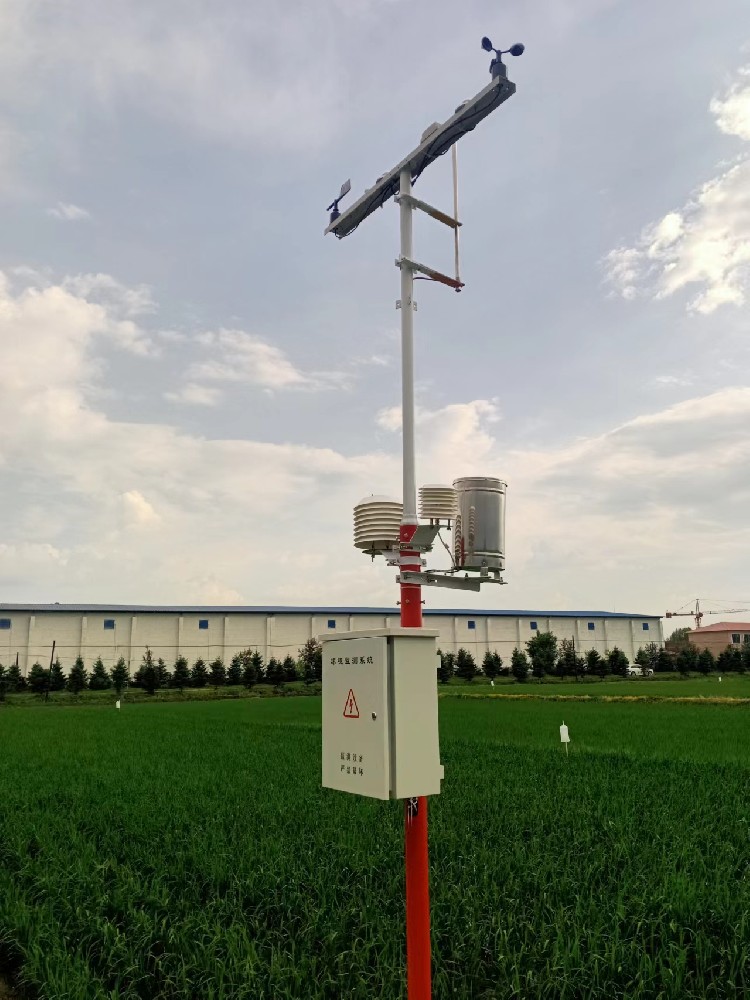
Weather plays a crucial role in our daily lives. From planning travel to predicting storms and preparing for extreme temperatures, accurate weather information helps individuals, businesses, and governments make better decisions. One of the most important tools used to collect weather data is a weather station.
Weather stations are used worldwide by meteorologists, scientists, airports, farmers, and weather forecasting agencies to monitor atmospheric conditions. They collect data such as temperature, wind speed, rainfall, humidity, and air pressure. This information is then analyzed to predict future weather patterns.
In this guide, we will explain what a weather station is, how it works, its main components, and why it is important for weather forecasting.
What Is a Weather Station?
A weather station is a set of instruments designed to measure and record various atmospheric conditions at a specific location. These stations continuously collect weather data that helps meteorologists analyze the current weather and predict future weather conditions.
Weather stations can be found in many places, including:
-
Airports
-
Farms and agricultural fields
-
Research centers
-
Coastal areas
-
Mountains and remote regions
-
Schools and universities
-
Private homes (personal weather stations)
The data collected from thousands of weather stations around the world is sent to weather agencies and forecasting systems. This information helps create accurate weather forecasts and warnings for storms, floods, heatwaves, and other extreme weather events.
Main Components of a Weather Station
A weather station usually includes several instruments, each designed to measure a specific atmospheric condition.
1. Thermometer (Temperature Sensor)
The thermometer measures the air temperature. It is usually placed inside a protective cover called a radiation shield, which protects it from direct sunlight and rain.
Temperature data helps meteorologists determine:
-
Daily highs and lows
-
Seasonal climate patterns
-
Heatwaves and cold fronts
2. Barometer (Air Pressure Sensor)
A barometer measures atmospheric pressure, which is the weight of the air pressing down on the Earth.
Changes in air pressure often indicate upcoming weather changes:
-
Falling pressure usually signals storms or bad weather.
-
Rising pressure typically indicates clear and stable weather.
Meteorologists rely heavily on barometer readings when predicting storms.
3. Anemometer (Wind Speed Sensor)
The anemometer measures wind speed. It usually has three or four cups that spin when the wind blows.
The faster the cups rotate, the stronger the wind speed.
Wind speed data helps meteorologists track:
-
Storm systems
-
Cyclones and hurricanes
-
Severe wind events
4. Wind Vane (Wind Direction Sensor)
A wind vane shows the direction the wind is coming from.
For example:
-
North wind = wind coming from the north
-
South wind = wind coming from the south
Wind direction is essential for understanding how weather systems move across regions.
5. Rain Gauge (Precipitation Sensor)
A rain gauge measures how much rain has fallen over a certain period.
This information is useful for:
-
Flood monitoring
-
Agriculture planning
-
Water resource management
Many modern rain gauges automatically send rainfall data to weather networks in real time.
6. Hygrometer (Humidity Sensor)
A hygrometer measures humidity, which is the amount of moisture in the air.
Humidity plays a major role in weather patterns because it influences:
-
Cloud formation
-
Rainfall
-
Heat index and comfort levels
High humidity can make temperatures feel hotter than they actually are.
7. Solar Radiation Sensor
Some advanced weather stations include sensors that measure solar radiation or sunlight intensity.
This data is especially useful for:
-
Solar energy systems
-
Climate research
-
Agricultural monitoring
How Does a Weather Station Work?
A weather station works by continuously collecting atmospheric data through sensors and sending this information to a computer or data center.
Here is a simple step-by-step explanation of how it works:
Step 1: Sensors Measure Weather Conditions
Each instrument at the weather station measures a specific atmospheric variable such as temperature, humidity, wind speed, or rainfall.
These sensors take measurements at regular intervals, usually every few seconds or minutes.
Step 2: Data Is Collected by a Data Logger
The sensors send their readings to a data logger, which is a small electronic device that stores weather data.
The data logger organizes the readings and prepares them for transmission.
Step 3: Data Is Transmitted
Many modern weather stations automatically send their data using:
-
Wireless networks
-
Internet connections
-
Satellite communication
-
Radio signals
This allows weather data to be shared instantly with weather agencies and forecasting systems.
Step 4: Data Is Analyzed
Meteorologists and forecasting models analyze the collected data to:
-
Track weather systems
-
Predict storms and rainfall
-
Monitor climate patterns
-
Issue weather alerts
This process helps create the daily weather forecasts people rely on.
Types of Weather Stations
Weather stations come in different types depending on their purpose.
1. Professional Weather Stations
These are used by meteorological agencies, airports, and research institutions. They are highly accurate and include advanced sensors.
2. Personal Weather Stations
Many homeowners and weather enthusiasts install personal weather stations in their backyard.
These stations allow individuals to monitor their local weather and even share the data online.
3. Automatic Weather Stations (AWS)
Automatic Weather Stations collect and transmit weather data automatically without human intervention.
They are commonly used in remote locations like deserts, mountains, and oceans.
4. Agricultural Weather Stations
Farmers use specialized weather stations to monitor conditions that affect crops, such as soil moisture, temperature, and humidity.
This helps improve irrigation planning and crop protection.
Why Weather Stations Are Important
Weather stations play a vital role in understanding and predicting weather conditions.
Here are some key benefits:
1. Accurate Weather Forecasting
Weather stations provide real-time data that helps meteorologists create accurate forecasts.
2. Disaster Preparedness
They help detect early signs of extreme weather events like:
-
Hurricanes
-
Floods
-
Heatwaves
-
Thunderstorms
Early warnings help save lives and reduce damage.
3. Climate Monitoring
Weather stations help scientists track long-term climate trends and understand how the climate is changing over time.
4. Agriculture Support
Farmers rely on weather data to make important decisions about:
-
Planting
-
Irrigation
-
Harvesting
-
Pest control
5. Aviation Safety
Airports use weather stations to monitor wind speed, visibility, and temperature, ensuring safe aircraft takeoffs and landings.
The Future of Weather Stations
Weather stations are becoming more advanced with new technologies.
Modern weather monitoring systems now include:
-
Artificial Intelligence forecasting models
-
Satellite weather observation
-
IoT-based smart weather stations
-
Real-time global weather networks
These innovations are making weather predictions more accurate than ever before.
In the future, weather stations will play an even bigger role in monitoring climate change and helping societies prepare for extreme weather events.
Frequently Asked Questions (FAQs)
What does a weather station measure?
A weather station measures several atmospheric conditions, including temperature, humidity, air pressure, wind speed, wind direction, and rainfall.
Where are weather stations usually located?
Weather stations are installed in open areas away from buildings and trees so they can collect accurate atmospheric data without interference.
How often do weather stations record data?
Most weather stations record data every few seconds or minutes and transmit updates in real time.
Can I install a weather station at home?
Yes. Many affordable personal weather stations are available that allow homeowners to monitor temperature, rainfall, wind speed, and other local weather conditions.
How do weather stations help weather forecasting?
Weather stations provide real-time atmospheric data that meteorologists use to analyze weather patterns and predict future weather conditions.