
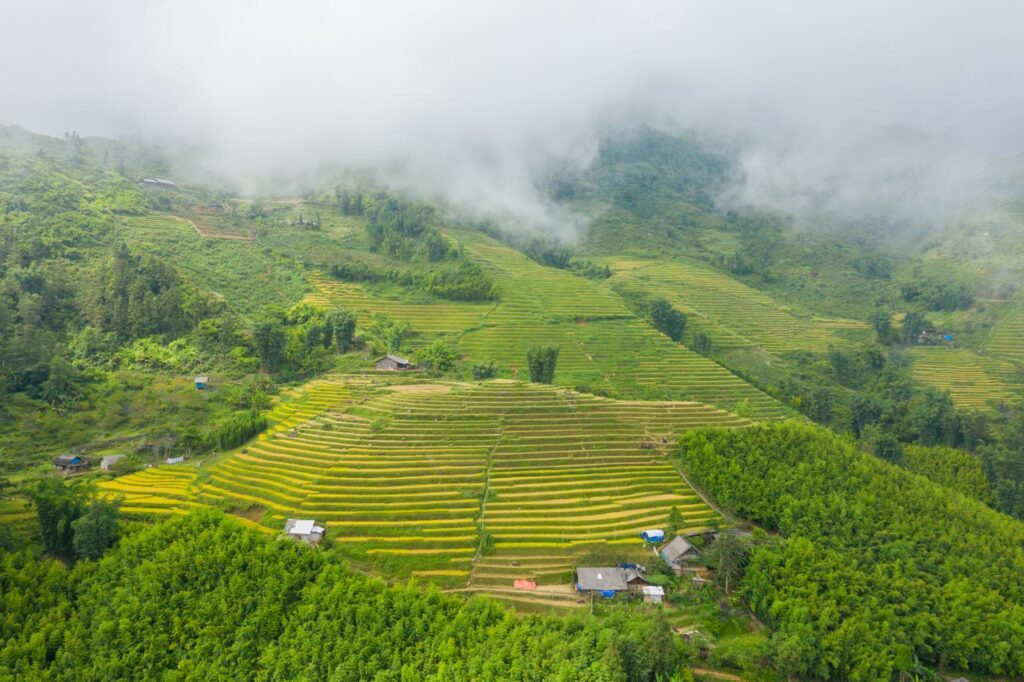
Vietnam is one of Southeast Asia’s most fascinating travel destinations, known for its diverse landscapes, vibrant culture, tropical beaches, and delicious cuisine. However, Vietnam stretches over 1,650 kilometers from north to south, meaning the weather can vary dramatically depending on the region and season.
Understanding Vietnam’s weather patterns and monsoon seasons is essential for planning the perfect trip. Some months bring sunny skies and comfortable temperatures, while others can bring heavy rains and humidity. This guide explains the best time to visit Vietnam based on weather, regions, and travel activities so you can choose the ideal season for your journey.
Understanding Vietnam’s Climate
Vietnam has a tropical monsoon climate, which means it experiences distinct wet and dry seasons. Because the country is long and narrow, the weather differs between the north, central, and southern regions.
Northern Vietnam Climate
Northern Vietnam includes destinations like Hanoi, Ha Long Bay, and Sapa.
Weather characteristics:
-
Four distinct seasons
-
Cooler winters compared to the rest of the country
-
Occasional fog and drizzle in winter
Typical weather pattern:
-
Winter (December–February): Cool and dry
-
Spring (March–April): Mild and slightly humid
-
Summer (May–August): Hot with heavy rainfall
-
Autumn (September–November): Pleasant and dry
Autumn is often considered the best season to visit northern Vietnam.
Central Vietnam Climate
Central Vietnam includes cities like Hue, Da Nang, and Hoi An.
Weather characteristics:
-
Long dry periods
-
Typhoon season in autumn
-
Hot temperatures in summer
Typical weather pattern:
-
January–August: Mostly dry and sunny
-
September–November: Heavy rain and storms
-
December: Transition period with mild weather
The best time to visit central Vietnam is February to August, when skies are clear and beaches are beautiful.
Southern Vietnam Climate
Southern Vietnam includes Ho Chi Minh City and the Mekong Delta.
Weather characteristics:
-
Warm temperatures all year
-
Two main seasons: dry and wet
Typical weather pattern:
-
Dry season (December–April): Sunny and comfortable
-
Rainy season (May–November): Tropical showers and humidity
Rain usually falls in short afternoon showers, meaning travel is still possible during the rainy season.
Best Overall Time to Visit Vietnam
The best overall months to visit Vietnam are March to April and September to November.
These months offer:
-
Comfortable temperatures
-
Less rainfall
-
Clear skies for sightseeing
-
Ideal conditions for outdoor activities
During these periods, travelers can explore multiple regions without extreme weather disruptions.
Best Time for Different Travel Experiences
Vietnam offers a wide variety of travel experiences, from beaches to mountains. The best time depends on what type of trip you want.
Best Time for Beach Travel
If your goal is relaxing on tropical beaches, the best months are:
February to August
Popular beach destinations:
-
Da Nang
-
Nha Trang
-
Phu Quoc
-
Hoi An
During this period, the weather is sunny, warm, and perfect for swimming or snorkeling.
Best Time for Mountain and Trekking Adventures
Vietnam’s northern mountains offer spectacular trekking opportunities, especially around Sapa and Ha Giang.
The best trekking months are:
September to November
March to May
Why these months are ideal:
-
Comfortable temperatures
-
Clear views of rice terraces
-
Minimal rainfall
-
Beautiful landscapes
September is especially stunning because it is rice harvest season, when the terraces turn golden.
Best Time for Cultural Exploration
Vietnam has countless temples, historic towns, and cultural landmarks. Exploring cities is best when the weather is not too hot or humid.
Best months for sightseeing:
-
February
-
March
-
October
-
November
These months offer pleasant temperatures and lower humidity levels.
Vietnam’s Monsoon Seasons Explained
Monsoon patterns influence Vietnam’s weather significantly.
Southwest Monsoon (May–October)
This monsoon affects the southern and central parts of Vietnam.
Characteristics:
-
Heavy rain
-
Tropical storms
-
High humidity
Despite the rain, showers often occur in short bursts, and landscapes become lush and green.
Northeast Monsoon (October–April)
This monsoon mainly affects northern Vietnam.
Characteristics:
-
Cooler temperatures
-
Cloudy skies
-
Occasional drizzle
Winter in the north can feel surprisingly chilly compared to other parts of Southeast Asia.
Monthly Weather Guide for Vietnam
January – February
-
Cool and dry in the north
-
Warm and sunny in the south
-
Good for cultural sightseeing
March – April
-
One of the best travel seasons
-
Comfortable temperatures nationwide
-
Ideal for beaches and cities
May – June
-
Rising temperatures
-
Beginning of rainy season in the south
-
Still good for northern travel
July – August
-
Hot and humid
-
Heavy rain in many regions
-
Beach travel still possible in central Vietnam
September – October
-
Beautiful autumn in northern Vietnam
-
Typhoon risk in central Vietnam
-
Cooler temperatures overall
November – December
-
Dry season begins in the south
-
Pleasant weather for travel
-
Good for beach vacations and city exploration
Tips for Traveling During Vietnam’s Rainy Season
Even during monsoon months, traveling in Vietnam can still be enjoyable. Here are a few helpful tips.
Pack Proper Rain Gear
Bring:
-
Waterproof jacket
-
Quick-dry clothing
-
Waterproof bags
Plan Flexible Activities
Rain showers can pass quickly, so schedule indoor activities such as:
-
Museums
-
Cafés
-
Local markets
Choose the Right Regions
Different parts of Vietnam experience rain at different times, so you can adjust your travel route accordingly.
Why Weather Matters for Vietnam Travel
Because Vietnam stretches across multiple climate zones, weather conditions can dramatically impact travel experiences.
For example:
-
Northern mountains can become foggy during winter.
-
Central Vietnam may experience typhoons in autumn.
-
Southern Vietnam has tropical rains during summer.
Planning your trip around weather patterns and monsoon seasons ensures you get the best possible experience, whether you’re exploring ancient cities, cruising through limestone islands, or relaxing on tropical beaches.
Conclusion
Vietnam is a year-round destination, but choosing the right season can make a huge difference in your travel experience.
The best time to visit Vietnam overall is from March to April and September to November, when the weather is pleasant across most regions. Beach lovers should consider visiting between February and August, while mountain trekking is best during spring and autumn.
By understanding Vietnam’s monsoon patterns and regional climate differences, travelers can plan a trip that avoids heavy rains and maximizes outdoor adventures.
Frequently Asked Questions (FAQs)
What is the best month to visit Vietnam?
March and April are generally considered the best months because the weather is comfortable across most regions.
When is the rainy season in Vietnam?
The rainy season typically runs from May to October, although rainfall varies depending on the region.
Is Vietnam good to visit during the monsoon season?
Yes. Rain often occurs in short bursts, and many destinations remain enjoyable during the monsoon.
What is the hottest month in Vietnam?
June and July are usually the hottest months, with temperatures often exceeding 35°C in many areas.
When is the best time to visit Vietnam for beaches?
The best beach weather is typically between February and August, especially along the central coast.