Summer in India can be intense. As temperatures in cities like Delhi, Jaipur, Nagpur, and Hyderabad cross 40°C, many travelers start looking toward the hills for relief. Thankfully, India is blessed with stunning hill stations spread across the Himalayas, Western Ghats, and Eastern Himalayas — each offering cooler temperatures, fresh air, and scenic beauty.
But which hill station is best for you?
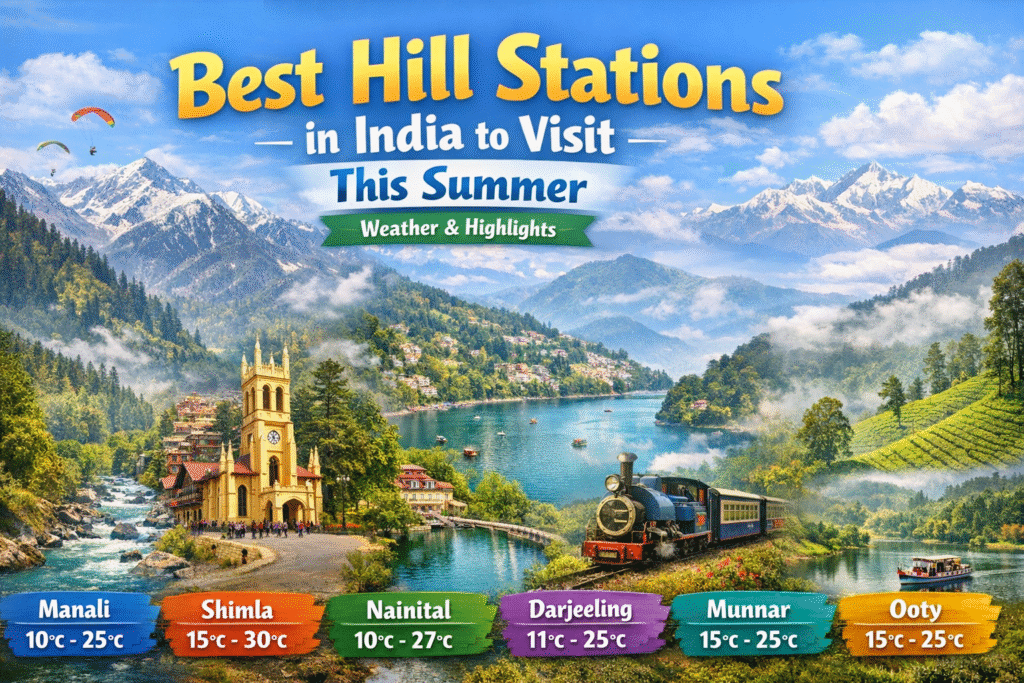
In this detailed guide, we compare the weather, temperature range, crowd levels, and overall experience of five of the best hill stations in India to visit during summer.
Why Visit Hill Stations in Summer?
Hill stations are elevated areas where temperatures are significantly lower than nearby plains. Because of altitude, these places remain cool even during peak summer months (April to June).
Benefits of visiting hill stations in summer:
-
Escape extreme heat
-
Pleasant weather for sightseeing
-
Ideal for outdoor activities
-
Lush greenery (especially in South India)
-
Perfect for family vacations and honeymoons
Now let’s explore the top destinations.
1. Manali (Himachal Pradesh)
Average Summer Temperature:
10°C to 25°C
Weather Experience:
Manali is one of the coolest hill stations during summer, especially in early May. Daytime temperatures are pleasant, while evenings can get quite chilly. Higher areas like Rohtang Pass may still have snow in early summer.
Why Visit Manali in Summer?
-
Snow-capped mountains
-
River rafting in Beas River
-
Paragliding and adventure sports
-
Cool nights even in June
Best For:
Adventure seekers, couples, and travelers wanting a “snowy mountain” vibe.
Crowd Level:
Very high in May and June. It’s a popular North Indian summer destination.
Weather Comparison Insight:
Compared to Shimla, Manali is generally cooler and feels more “mountainous” due to higher altitude.
2. Shimla (Himachal Pradesh)
Average Summer Temperature:
15°C to 30°C
Weather Experience:
Shimla has comfortable summer weather with bright sunny days and cool evenings. It is slightly warmer than Manali but still far better than the plains.
Why Visit Shimla in Summer?
-
Easy accessibility from Delhi and Chandigarh
-
Colonial architecture
-
Mall Road walks
-
Family-friendly atmosphere
Best For:
Families, elderly travelers, and first-time hill station visitors.
Crowd Level:
Extremely high during school vacations (May–June).
Weather Comparison Insight:
Shimla is less cold than Manali but more convenient. If you prefer moderate cool weather without extreme cold nights, Shimla is ideal.
3. Ooty (Tamil Nadu)
Average Summer Temperature:
15°C to 25°C
Weather Experience:
Ooty remains pleasantly cool throughout summer. Unlike North Indian hill stations, Ooty offers a mild and steady climate without extreme temperature drops at night.
Why Visit Ooty in Summer?
-
Beautiful tea gardens
-
Botanical gardens
-
Ooty Lake boating
-
Nilgiri Mountain Railway
Best For:
South Indian travelers, couples, and those seeking peaceful surroundings.
Crowd Level:
Moderate to high, but generally less chaotic than Shimla or Manali.
Weather Comparison Insight:
Ooty offers stable, comfortable temperatures. It’s not as cold as Manali but avoids the heavy crowds seen in North India.
4. Munnar (Kerala)
Average Summer Temperature:
18°C to 28°C
Weather Experience:
Munnar has pleasant days and slightly humid evenings. Because it is located in the Western Ghats, humidity is slightly higher than Himalayan hill stations.
Why Visit Munnar in Summer?
-
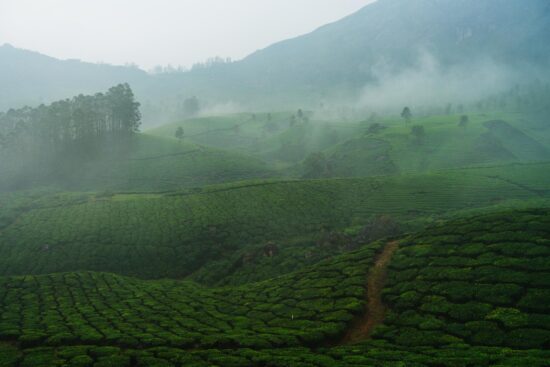
Endless green tea plantations
-
Scenic viewpoints
-
Wildlife at Eravikulam National Park
-
Peaceful and less commercialized atmosphere
Best For:
Nature lovers, photographers, and honeymooners.
Crowd Level:
Moderate.
Weather Comparison Insight:
Munnar is warmer than Ooty but offers richer greenery. If you prefer lush landscapes over cold temperatures, Munnar is a great choice.
5. Darjeeling (West Bengal)
Average Summer Temperature:
12°C to 22°C
Weather Experience:
Darjeeling is one of the coolest summer destinations in East India. Mornings and evenings are crisp and refreshing. The climate remains comfortable even in peak summer.
Why Visit Darjeeling in Summer?
-
Stunning Kanchenjunga views
-
Tiger Hill sunrise
-
Darjeeling Himalayan Railway
-
Tea estate visits
Best For:
Travelers seeking cool weather with scenic mountain views.
Crowd Level:
High during May and June.
Weather Comparison Insight:
Darjeeling competes closely with Manali in terms of coolness but is less extreme. It’s a balanced mix of cold weather and comfortable sightseeing conditions.
Complete Weather Comparison (Quick Table)
| Hill Station | Avg Day Temp | Avg Night Temp | Humidity | Crowd Level | Coldest? |
|---|---|---|---|---|---|
| Manali | 20–25°C | 10–12°C | Low | Very High | Very Cold |
| Shimla | 25–30°C | 15–18°C | Low | Extremely High | Moderate |
| Ooty | 20–25°C | 15–18°C | Medium | Moderate | Cool |
| Munnar | 25–28°C | 18–20°C | Medium | Moderate | Pleasant |
| Darjeeling | 18–22°C | 12–15°C | Low | High | Coolest |
Which Hill Station Should You Choose?
If you want the coldest weather:
Choose Darjeeling or Manali
If you want snow-like vibes:
Choose Manali
If you want easy access and family comfort:
Choose Shimla
If you are traveling in South India:
Choose Ooty
If you love greenery and peaceful nature:
Choose Munnar
Important Travel Tips for Summer Hill Station Trips
-
Book hotels at least 1–2 months in advance (especially for May–June).
-
Carry light woolens — nights can still be chilly.
-
Avoid peak holiday weekends if possible.
-
Start sightseeing early to avoid crowds.
-
Check weather updates before planning outdoor activities.
Final Thoughts
India’s hill stations offer the perfect escape from the scorching summer heat. Whether you prefer the dramatic Himalayan peaks of Manali, the colonial charm of Shimla, the tea gardens of Ooty and Munnar, or the scenic coolness of Darjeeling, each destination has its unique climate and charm.
If your priority is maximum cool weather, head toward the Himalayas.
If you prefer stable and comfortable weather with greenery, the Western Ghats are ideal.
The best hill station ultimately depends on:
-
Your location
-
Your budget
-
Your travel style
-
Your tolerance for crowds
-
How cold you want it to be