Canada is one of the most beautiful travel destinations in the world, offering dramatic landscapes, diverse climates, and stunning seasonal transformations. From snowy mountains and frozen lakes in winter to colorful autumn forests and vibrant summer national parks, every season in Canada offers a unique experience.
However, the best time to visit Canada depends on what kind of experience you want. Some travelers dream of snow-covered mountains and winter activities, while others want warm weather for hiking, sightseeing, and exploring nature. Many visitors also come specifically to witness Canada’s famous fall foliage, when forests turn brilliant shades of red, orange, and gold.
In this guide, we’ll explore the best seasons to visit Canada for snow, fall colors, and summer weather, along with tips on what to expect during each time of the year.
Understanding Canada’s Climate
Canada is the second-largest country in the world, and its climate varies significantly depending on the region. Coastal areas like Vancouver have milder winters, while central regions such as Toronto and Montreal experience cold winters and warm summers. Northern Canada, on the other hand, has extremely cold temperatures for much of the year.
Generally, Canada experiences four distinct seasons:
-
Winter: December to February
-
Spring: March to May
-
Summer: June to August
-
Fall (Autumn): September to November
Each season transforms the landscape and creates different opportunities for travelers.
Visiting Canada in Winter (December – February)
Winter is the best time to visit Canada if you want to experience snowy landscapes, winter festivals, and adventure sports.
During winter, many parts of Canada transform into a winter wonderland, with snow-covered mountains, frozen lakes, and festive holiday markets.
Weather Conditions
Winter temperatures vary by region:
-
Toronto and Montreal: -5°C to -15°C
-
Banff and Alberta: -10°C to -20°C
-
Northern Canada: below -25°C
Despite the cold temperatures, winter remains a popular time for travelers who enjoy snow activities.
Top Winter Experiences
1. Skiing and Snowboarding
Canada is home to some of the world’s best ski resorts, including:
-
Banff
-
Whistler
-
Lake Louise
These destinations attract winter sports enthusiasts from around the globe.
2. Northern Lights
The winter months provide some of the best opportunities to see the Aurora Borealis in places like Yukon, Northwest Territories, and northern Manitoba.
3. Winter Festivals
Canada hosts many winter celebrations, including:
-
Quebec Winter Carnival
-
Ottawa Winterlude
-
Ice festivals across the country
These events showcase ice sculptures, outdoor activities, and local traditions.
Who Should Visit in Winter?
Winter is ideal for travelers who enjoy:
-
Snow sports
-
Festive winter events
-
Frozen landscapes and photography
-
Northern Lights viewing
Visiting Canada in Summer (June – August)
Summer is considered the most popular time to visit Canada, thanks to warm weather, long daylight hours, and access to national parks.
During this season, Canada’s natural beauty is at its peak, with turquoise lakes, green forests, and wildlife sightings.
Weather Conditions
Summer temperatures are comfortable across most regions:
-
Toronto: 20°C to 30°C
-
Vancouver: 18°C to 25°C
-
Banff: 15°C to 25°C
These mild temperatures make outdoor exploration enjoyable.
Top Summer Experiences
1. Exploring National Parks
Canada has some of the most spectacular national parks in the world. Summer is the best time to explore them because roads and hiking trails are fully open.
Popular parks include:
-
Banff National Park
-
Jasper National Park
-
Yoho National Park
These parks feature lakes, glaciers, waterfalls, and wildlife.
2. Wildlife Watching
Summer is excellent for spotting animals such as:
-
Bears
-
Moose
-
Elk
-
Whales (on coastal regions)
3. Outdoor Activities
Warm weather allows travelers to enjoy:
-
Hiking
-
Canoeing
-
Kayaking
-
Camping
-
Scenic drives
Who Should Visit in Summer?
Summer is perfect for travelers who want:
-
Pleasant temperatures
-
Outdoor adventures
-
National park exploration
-
Wildlife experiences
However, because summer is peak tourist season, accommodation prices and crowds are usually higher.
Visiting Canada in Fall (September – October)
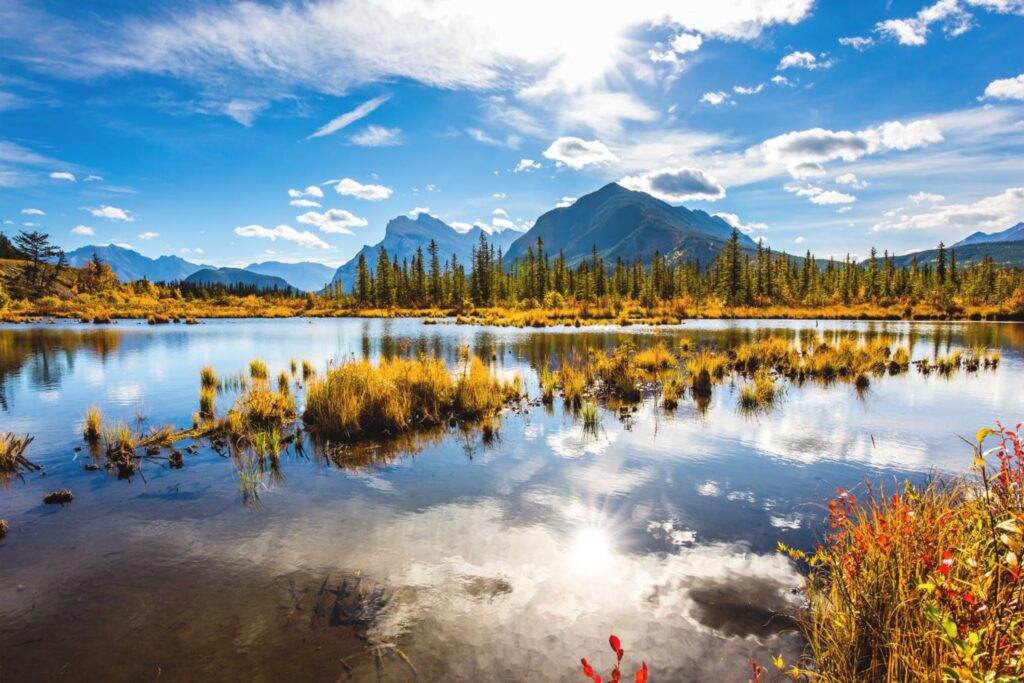
Fall is often considered the most beautiful season in Canada due to the spectacular autumn foliage.
During this time, maple trees turn vibrant shades of red, orange, and yellow, creating breathtaking landscapes across the country.
Weather Conditions
Autumn weather is cool and comfortable:
-
Early fall: 15°C to 20°C
-
Late fall: 5°C to 10°C
Temperatures gradually drop as winter approaches.
Best Places to See Fall Colors
Some of the most famous fall foliage destinations include:
1. Ontario
Ontario’s forests produce incredible fall colors, especially in:
-
Algonquin Provincial Park
-
Muskoka region
2. Quebec
Quebec is famous for scenic autumn landscapes around:
-
Mont-Tremblant
-
Laurentian Mountains
3. Nova Scotia
The Cabot Trail offers one of the most scenic autumn drives in North America.
Why Fall Is a Great Time to Visit
Fall offers several advantages for travelers:
-
Fewer crowds than summer
-
Comfortable temperatures
-
Stunning landscapes
-
Lower travel costs
This makes autumn an excellent season for photography and scenic road trips.
Visiting Canada in Spring (March – May)
Spring is a transitional season when snow begins to melt and nature slowly comes back to life.
Although early spring can still feel like winter in some areas, late spring becomes increasingly pleasant.
What to Expect
-
Melting snow and flowing rivers
-
Blooming flowers and greenery
-
Wildlife becoming more active
Spring is also the best time to visit cities, as tourist crowds are smaller compared to summer.
Best Time to Visit Canada Based on Your Travel Goals
Here’s a quick guide to choosing the right season for your trip:
| Travel Experience | Best Time to Visit |
|---|---|
| Snow and winter sports | December – February |
| Northern Lights | December – March |
| National parks and outdoor activities | June – August |
| Fall foliage and scenic drives | September – October |
| Budget travel and fewer crowds | April – May |
Each season offers something unique, so the best time ultimately depends on your travel interests.
Travel Tips for Visiting Canada
To make the most of your trip, keep these travel tips in mind:
1. Pack for Changing Weather
Canadian weather can change quickly, especially in mountain regions. Always pack layers.
2. Book Early for Summer Trips
Summer is peak travel season, so hotels and flights can fill up quickly.
3. Prepare for Cold Winters
If visiting in winter, bring:
-
Insulated jackets
-
Thermal clothing
-
Waterproof boots
4. Plan for Long Distances
Canada is huge, so plan your travel routes carefully when visiting multiple destinations.
Conclusion
Canada is a year-round destination where every season offers its own charm. Winter brings magical snowy landscapes and exciting outdoor sports, summer provides warm weather and access to stunning national parks, and fall delivers breathtaking foliage that attracts photographers and nature lovers from around the world.
If you want snow adventures, visit during winter. For outdoor exploration and pleasant weather, summer is the ideal time. And if you want to see Canada’s forests painted in brilliant colors, fall is the perfect season.
No matter when you visit, Canada’s incredible natural beauty and diverse landscapes promise an unforgettable travel experience.
Frequently Asked Questions (FAQs)
What is the best month to visit Canada?
The best month depends on your travel goals. July and August are ideal for warm weather and outdoor activities, while September is perfect for fall foliage.
When can you see snow in Canada?
Snow typically falls from November to March, with the heaviest snowfall occurring between December and February.
What is the cheapest time to visit Canada?
Spring (April–May) and late fall (November) are usually the cheapest times to visit because they fall outside the peak tourist season.
Where can I see the best fall colors in Canada?
Some of the best fall foliage locations include Algonquin Park in Ontario, Mont-Tremblant in Quebec, and the Cabot Trail in Nova Scotia.
Is summer the best time to visit Canada?
Summer is the most popular season because of warm temperatures, long daylight hours, and access to national parks and outdoor activities.