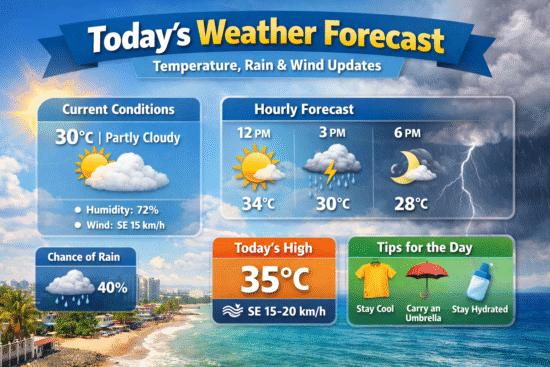

Greece is one of the world’s most famous travel destinations, known for its crystal-clear waters, whitewashed villages, ancient ruins, and beautiful Mediterranean beaches. Whether you want to relax on sandy shores, explore charming islands, or enjoy seaside nightlife, choosing the right time to visit Greece can make a big difference in your travel experience.
The country experiences a classic Mediterranean climate, meaning warm summers, mild winters, and long sunny days during the peak tourist season. However, each season offers different advantages depending on whether you want beach time, sightseeing, or fewer crowds.
In this guide, we’ll explore the best months to visit Greece for beaches, pleasant weather, and unforgettable travel experiences.
Understanding Greece’s Climate
Before planning your trip, it helps to understand the basic weather patterns in Greece.
Greece generally has three main travel seasons:
-
Spring (April – June) – Warm temperatures and blooming landscapes
-
Summer (July – August) – Hot weather and peak beach season
-
Autumn (September – October) – Warm seas with fewer tourists
Most beach travelers prefer visiting between late May and early October, when the sea is warm enough for swimming and sunshine is almost guaranteed.
Best Time to Visit Greece for Beaches
1. Late May to June – Perfect Balance of Weather and Crowds


Late spring and early summer are considered one of the best times to visit Greece for beach lovers.
During this time:
-
Temperatures range between 24°C – 30°C
-
The sea begins warming up for swimming
-
Tourist crowds are moderate
-
Hotels and flights are often cheaper than peak season
The weather is sunny but not extremely hot, making it ideal for both beach relaxation and sightseeing.
Popular islands like Santorini, Mykonos, Crete, and Rhodes are lively but still manageable without overwhelming crowds.
Why visit in May–June?
-
Pleasant temperatures
-
Clear skies and long sunny days
-
Lower travel costs than July and August
2. July to August – Peak Beach Season


If your goal is full summer energy and vibrant beach life, July and August are the peak months.
During this time:
-
Temperatures reach 30°C – 35°C
-
The sea is warm and perfect for swimming
-
Beach clubs and nightlife are at their busiest
-
Festivals and events take place across the islands
However, this is also the most crowded and expensive period.
Hotels in popular destinations like Santorini and Mykonos often sell out months in advance.
Pros of visiting in July–August
-
Warmest sea temperatures
-
Vibrant nightlife and beach clubs
-
Lively atmosphere everywhere
Cons
-
High hotel prices
-
Large tourist crowds
-
Very hot afternoons
3. September to Early October – The Hidden Gem Season


Many experienced travelers consider September the absolute best time to visit Greece.
Why?
Because the Mediterranean Sea retains heat from summer, meaning water temperatures remain warm while crowds decrease significantly.
During September and early October:
-
Temperatures range from 25°C – 30°C
-
Beaches are less crowded
-
Hotel prices drop
-
Weather remains sunny and comfortable
This period is perfect for travelers who want relaxed beach days without peak-season chaos.
Best Greek Islands for Beach Weather
Greece has over 200 inhabited islands, but some are particularly famous for beach travel.
Santorini
Known for its dramatic cliffs, white buildings, and beautiful sunsets. While the beaches are volcanic rather than sandy, the scenery is unforgettable.
Mykonos
A world-famous destination for beach clubs, nightlife, and luxury resorts.
Crete
The largest Greek island with a mix of stunning beaches, mountains, and historic towns.
Zakynthos
Home to the iconic Navagio (Shipwreck) Beach, one of the most photographed beaches in the world.
Paros and Naxos
Great alternatives to Mykonos and Santorini with beautiful beaches and fewer crowds.
Monthly Weather Guide for Greece Beaches
| Month | Weather | Beach Conditions |
|---|---|---|
| April | Mild (18-22°C) | Too cool for swimming |
| May | Warm (22-26°C) | Beaches start opening |
| June | Sunny (25-30°C) | Excellent beach weather |
| July | Hot (30-35°C) | Peak beach season |
| August | Very hot | Perfect sea temperatures |
| September | Warm (25-30°C) | Best overall beach weather |
| October | Mild (22-26°C) | Still possible to swim |
Tips for Planning a Greece Beach Vacation
Book Early for Summer
If visiting in July or August, book hotels and ferries at least 3–4 months in advance.
Explore Multiple Islands
Island hopping is one of the best ways to experience Greece. Ferries connect most major islands easily.
Avoid Midday Heat
During summer, temperatures can be intense between 1 PM and 4 PM, so plan beach visits early morning or late afternoon.
Rent a Scooter or ATV
Many Greek islands have hidden beaches that are easier to explore with a rented vehicle.
Final Thoughts
The best time to visit Greece for beaches depends on what type of vacation you want.
-
May–June: Ideal weather and fewer crowds
-
July–August: Peak summer with vibrant nightlife
-
September–October: Warm seas and relaxed travel atmosphere
For most travelers seeking pleasant weather, warm water, and fewer tourists, September is often the perfect month to visit Greece.
With stunning islands, crystal-clear water, and endless sunshine, Greece remains one of the world’s most unforgettable beach destinations.
Frequently Asked Questions (FAQs)
What is the best month to visit Greece for beaches?
September is often considered the best month because the sea is warm, the weather is sunny, and crowds are smaller than peak summer.
Is Greece too hot in July and August?
Temperatures can reach 35°C or higher, especially on the mainland. However, coastal breezes make island beaches more comfortable.
Can you swim in Greece in May?
Yes, especially in late May. While the sea is slightly cooler than summer months, many travelers still enjoy swimming.
Is Greece cheaper in September?
Yes. Flights and hotels are usually cheaper than July and August while the weather remains excellent.
Which Greek island has the best beaches?
Some of the best beach destinations include Zakynthos, Crete, Naxos, Paros, and Mykonos.