Sri Lanka may look small on the map, but when it comes to weather, it behaves like a much larger country. The island experiences two major monsoon systems that affect different regions at different times of the year. That means there is almost always a sunny beach somewhere — if you plan wisely.
Choosing the best time to visit Sri Lanka depends on three main factors:
-
The monsoon season
-
The region you want to explore
-
Your tolerance for crowds and prices
This detailed guide will help you understand Sri Lanka’s climate patterns, peak and off-peak seasons, and how to plan the perfect trip based on your travel style.
Understanding Sri Lanka’s Monsoon Seasons
Sri Lanka has two primary monsoons and two inter-monsoon periods. These seasonal weather systems rotate around the island rather than covering it all at once.
1. Southwest Monsoon (May to September)
The southwest monsoon mainly affects:
-
West Coast (Colombo, Bentota, Negombo)
-
South Coast (Galle, Mirissa, Unawatuna)
-
Hill Country (Ella, Nuwara Eliya)
During this period:
-
Expect frequent afternoon showers.
-
The sea can be rough along the southwest coast.
-
Hill country landscapes become lush and green.
This is considered the low season for the south and west beaches, but it is not constant heavy rain. Showers are often short and intense rather than all-day storms.
2. Northeast Monsoon (December to February)
The northeast monsoon affects:
-
East Coast (Trincomalee, Arugam Bay)
-
Northern regions (Jaffna)
Rainfall increases in these areas during these months, while the west and south coasts remain mostly dry and sunny.
3. Inter-Monsoon Periods (March–April and October–November)
These transitional months can bring:
-
Sudden thunderstorms
-
Humidity
-
Short bursts of heavy rain
However, these months can also offer good travel conditions with fewer tourists and competitive hotel prices.
Best Time to Visit the West and South Coast
Ideal months: December to April
This is the classic beach season for Sri Lanka’s most popular coastal areas. You’ll experience:
-
Sunny skies
-
Calm seas
-
Perfect swimming conditions
-
Excellent whale watching opportunities
December to March is peak tourist season. Beaches are lively, hotels are full, and prices are at their highest. If you want postcard-perfect beach weather, this is the best time.
April can be slightly hotter and more humid but still very good.
Avoid May to September if your priority is beach relaxation in this region.
Best Time to Visit the East Coast
Ideal months: May to September
While the southwest coast experiences rain, the east coast shines. This is the best time for:
-
Surfing in Arugam Bay
-
Calm beaches in Trincomalee
-
Fewer crowds compared to the southwest high season
June to August is particularly popular among surfers. The water is clear, and the beaches are less commercialized compared to southern hotspots.
Avoid December and January on the east coast due to the northeast monsoon.
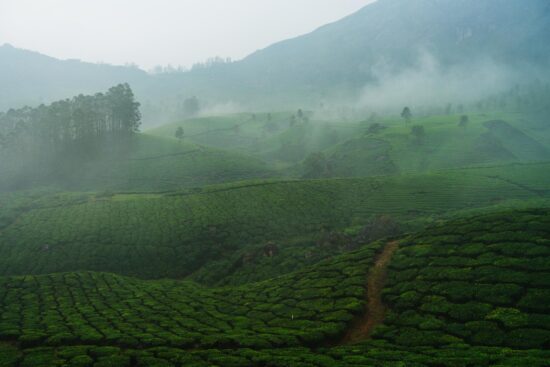
Best Time for Hill Country and Tea Plantations
Ideal months: January to March
The hill country offers cooler temperatures and scenic train rides. During the dry months:
-
Views are clearer.
-
Hiking trails are more accessible.
-
Train journeys are more comfortable.
May to September can bring heavier rainfall to certain hill regions, especially on the western slopes.
Best Time for Wildlife Safaris
Sri Lanka is famous for its national parks and wildlife experiences.
Best months for safaris: June to September
During dry months:
-
Water sources shrink.
-
Animals gather around lakes.
-
Wildlife sightings increase.
Elephant gatherings are especially impressive in the dry season. If safari is a priority, plan around the dry periods.
High Season vs Low Season: What to Expect
High Season (December to March)
Advantages:
-
Best weather on west and south coast
-
Calm seas
-
Festive atmosphere
-
Cultural events and celebrations
Disadvantages:
-
Higher hotel rates
-
Crowded beaches
-
Fully booked trains and tours
-
Traffic congestion in tourist areas
If you prefer vibrant energy and don’t mind paying more, this season is ideal.
Shoulder Season (April, September, October)
Advantages:
-
Fewer tourists
-
Lower prices
-
Decent weather in some regions
-
Lush landscapes
Disadvantages:
-
Occasional rain
-
Higher humidity
Shoulder season is excellent for travelers who want balance between cost and comfort.
Low Season (May to August in southwest / December to February in northeast)
Advantages:
-
Lowest hotel prices
-
Quiet beaches
-
Peaceful sightseeing
-
Easier transport bookings
Disadvantages:
-
Rainfall in affected regions
-
Rough seas in certain areas
-
Some smaller businesses may close temporarily
If you are flexible and open to exploring less affected regions, low season can be very rewarding.
Month-by-Month Travel Overview
January – February
Perfect for west coast, south coast, and hill country. Peak season crowds.
March
Still excellent weather in most regions. Slightly fewer tourists than January.
April
Hot and humid but still good. Sinhala and Tamil New Year celebrations add cultural excitement.
May
Start of southwest monsoon. Better to visit east coast.
June – July – August
Great for east coast beaches and wildlife safaris. Southwest sees more rain.
September
Transition month. Good for east coast. Fewer crowds.
October
Unpredictable inter-monsoon weather. Good deals available.
November
Rain increases in many areas but still manageable for flexible travelers.
December
Best overall month to start west and south coast travel. Holiday crowds increase toward end of month.
When Is the Absolute Best Time?
If you want the safest choice for great weather across multiple regions, aim for:
Late December to March
However, the “best” time depends entirely on your goals:
-
Beach lovers → December to April (south/west) or May to September (east)
-
Budget travelers → May or October
-
Wildlife enthusiasts → June to September
-
Cultural explorers → January to March
-
Crowd avoiders → May, September, or early November
Budget Considerations
Accommodation prices can double during peak season. Flights also increase around Christmas and New Year. If budget is important:
-
Book 2–3 months in advance for peak season.
-
Travel in shoulder months.
-
Explore lesser-known towns instead of popular beach hubs.
Sri Lanka remains affordable compared to many international destinations, but timing significantly impacts overall cost.
Final Travel Planning Tips
-
Choose your main region first.
-
Plan around the opposite monsoon.
-
Book early during peak months.
-
Keep 1–2 flexible days in your itinerary.
-
Check short-term weather forecasts one week before departure.
Because Sri Lanka’s weather rotates around the island, smart planning ensures you experience sunshine rather than storms.
Frequently Asked Questions
Is Sri Lanka a year-round destination?
Yes. There is always a region experiencing good weather. You just need to plan according to monsoon patterns.
Is it worth visiting during monsoon season?
Absolutely. Rain often comes in short bursts, and landscapes are beautifully green. Prices are lower, and tourist spots are less crowded.
Which month has the least tourists?
May and October generally see fewer international visitors.
When is Sri Lanka the cheapest?
Low season months, especially May to September in the southwest and January in the east coast regions.
Is December too crowded?
Late December can be busy due to holiday travel. Early December is better if you want peak weather with slightly fewer crowds.
Can I travel around the whole island in one trip?
Yes, but align your route with weather patterns. For example, visit the west coast in January and the east coast in July.
What is the best month overall?
January is often considered the best overall month due to stable weather in most popular regions.
Conclusion
The best time to visit Sri Lanka depends on where you want to go and what kind of experience you seek. If you prioritize sunshine and classic beach weather, December to March is ideal for the south and west. If you prefer fewer crowds and lower prices, shoulder seasons provide excellent value. And if you are heading to the east coast, aim for mid-year sunshine between May and September.
With thoughtful planning, Sri Lanka offers unforgettable travel experiences in every season.