Flash floods are among the most sudden and dangerous natural disasters. Unlike regular floods that may develop slowly over several hours or days, flash floods can occur within minutes after intense rainfall or a sudden surge of water. They often happen without much warning, making them especially hazardous for people living in flood-prone areas.
Every year, flash floods cause severe damage to homes, roads, and infrastructure while also posing serious risks to human life. Understanding what causes flash floods, how to recognize warning signs, and what safety precautions to take can significantly reduce the risk of injury or loss.
This guide explains everything you need to know about flash floods, including their causes, early warning signs, and essential safety tips.
What Is a Flash Flood?
A flash flood is a rapid flooding event that occurs within a short time after heavy rainfall, dam failure, ice melt, or other sudden water surges. These floods typically develop within six hours of a triggering event, though in extreme cases they can occur within minutes.
Flash floods are particularly dangerous because:
-
Water levels rise extremely fast
-
Strong currents can sweep away vehicles and debris
-
They often happen with little warning
-
Escape time may be limited
Flash floods can occur in urban areas, mountain regions, river valleys, and dry desert landscapes.
Main Causes of Flash Floods
Flash floods can be triggered by several natural or human-related factors. Understanding these causes helps explain why they occur so quickly.
1. Intense Rainfall
The most common cause of flash floods is heavy rainfall over a short period of time. When rain falls faster than the ground can absorb it, excess water begins to flow rapidly across the surface.
This often happens during:
-
Severe thunderstorms
-
Tropical storms
-
Monsoon weather systems
Areas with poor drainage or already saturated soil are particularly vulnerable.
2. Urbanization and Poor Drainage
Cities with large amounts of concrete, asphalt, and buildings prevent rainwater from soaking into the ground. Instead, water flows quickly across roads and sidewalks.
As a result:
-
Storm drains can become overwhelmed
-
Streets can turn into rivers
-
Low-lying neighborhoods flood rapidly
Urban flash floods are becoming more common as cities expand.
3. Dam or Levee Failure
Another major cause of flash flooding is the sudden failure of dams, levees, or reservoirs. When these structures break, large volumes of water are released instantly.
This sudden surge can flood downstream areas within minutes, leaving very little time for evacuation.
4. Rapid Snowmelt
Flash floods can also occur when snow melts rapidly due to rising temperatures or warm rain. When large snowpacks melt quickly, rivers and streams can overflow.
Mountain regions often experience this type of flooding during late spring.
5. Natural Blockages Breaking
Sometimes debris such as landslides, fallen trees, or ice jams temporarily block rivers. When the blockage suddenly breaks, a surge of water can rush downstream and create a flash flood.
Areas Most Vulnerable to Flash Floods
Flash floods can occur almost anywhere, but certain areas are more prone to them.
Common high-risk locations include:
-
Mountain valleys
-
Areas near rivers and streams
-
Urban cities with poor drainage
-
Dry deserts with hard soil surfaces
-
Low-lying coastal regions
In some desert areas, flash floods occur even when rain falls many miles away, as water flows quickly across dry terrain.
Warning Signs of an Approaching Flash Flood
Flash floods can develop quickly, but there are several warning signs that people should watch for.
Sudden Heavy Rainfall
If intense rain continues for more than 30–60 minutes, especially during storms, the risk of flash flooding increases significantly.
Rapidly Rising Water Levels
Water levels in rivers, creeks, or drainage channels may begin rising rapidly. Even small streams can become powerful torrents within minutes.
Roaring or Rushing Water Sounds
In mountainous or valley regions, people may hear a loud roaring sound as floodwaters approach.
Muddy or Debris-Filled Water
Flash flood waters often carry mud, rocks, tree branches, and debris. Seeing this type of water flow is a strong warning sign.
Official Weather Alerts
Weather agencies often issue alerts such as:
-
Flash Flood Watch
-
Flash Flood Warning
A Flash Flood Warning means flooding is already happening or about to happen and immediate action is required.
Dangers of Flash Floods
Flash floods are extremely dangerous due to their speed and force.
Some of the biggest risks include:
Powerful Water Currents
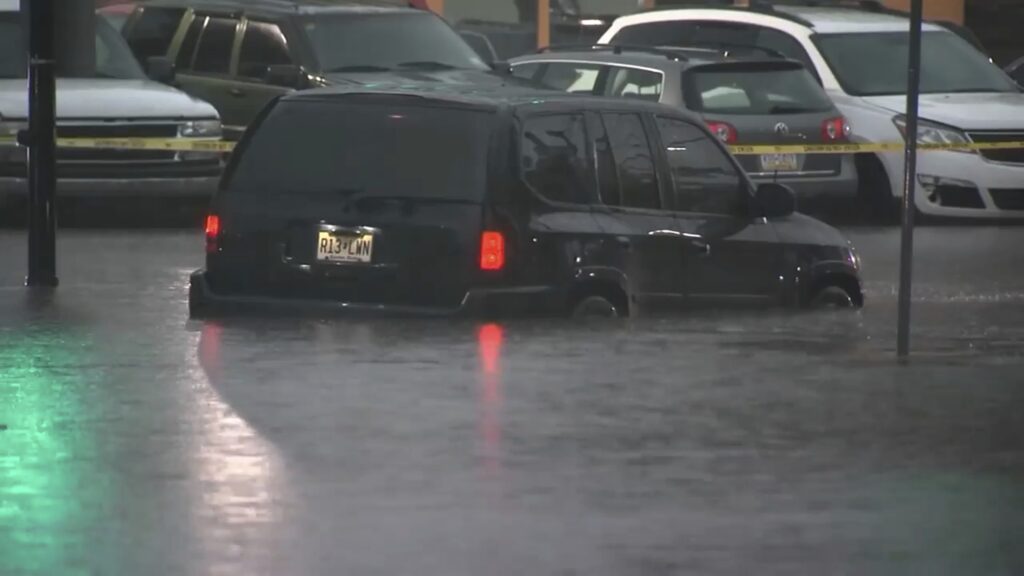
Just six inches of moving water can knock a person off their feet, while one foot of water can sweep away a car.
Debris and Hidden Hazards
Floodwaters often carry dangerous debris such as:
-
Rocks
-
Tree branches
-
Metal objects
-
Broken infrastructure
These can cause injuries or damage vehicles.
Electrical Hazards
Floodwater can come into contact with electrical wires or damaged infrastructure, increasing the risk of electric shock.
Structural Damage
Fast-moving floodwaters can destroy roads, bridges, buildings, and other structures.
Flash Flood Safety Tips
Being prepared can make a huge difference during a flash flood emergency.
Stay Informed
Always monitor weather updates, especially during heavy rainfall or severe storms.
Use:
-
Weather apps
-
Local news alerts
-
Emergency warning systems
Avoid Flooded Roads
Never attempt to drive through flooded streets.
This rule is often summarized as:
“Turn Around, Don’t Drown.”
Even shallow water can stall vehicles or sweep them away.
Move to Higher Ground
If flooding begins, immediately move to a higher location such as:
-
Upper floors of buildings
-
Hills or elevated areas
-
Designated evacuation zones
Avoid Walking Through Floodwater
Floodwater may contain:
-
Contaminated sewage
-
Sharp debris
-
Hidden holes or drains
Avoid walking in it unless absolutely necessary.
Prepare an Emergency Kit
A basic emergency kit should include:
-
Drinking water
-
Flashlights
-
First aid supplies
-
Portable phone chargers
-
Emergency contact numbers
Being prepared can help during sudden evacuations.
How Climate Change Is Increasing Flash Flood Risk
Climate change is playing a growing role in increasing flash flood events worldwide.
Warmer temperatures allow the atmosphere to hold more moisture, which can lead to heavier and more intense rainfall during storms.
This means:
-
Storms may produce more rain in shorter periods
-
Urban flooding may increase
-
Flash flood events may become more frequent
Improved forecasting technology and early warning systems are becoming increasingly important for reducing risks.
Final Thoughts
Flash floods are one of the most sudden and destructive natural disasters. Because they can develop within minutes, understanding their causes and warning signs is essential for staying safe.
Heavy rainfall, urbanization, dam failures, and rapid snowmelt are among the most common triggers of flash flooding. By paying attention to weather alerts, recognizing early warning signs, and following basic safety precautions, individuals and communities can reduce the dangers associated with these events.
Preparedness, awareness, and timely action are the most effective ways to stay safe when flash floods occur.
Frequently Asked Questions (FAQs)
What is the main cause of flash floods?
The most common cause of flash floods is intense rainfall over a short period, which overwhelms drainage systems and causes rapid water buildup.
How quickly can flash floods happen?
Flash floods can occur within minutes to a few hours after heavy rainfall, making them extremely dangerous.
Can flash floods occur without rain nearby?
Yes. In some cases, rain falling upstream or in nearby mountains can cause water to rush downstream and create flash floods.
How much water can sweep away a car?
Approximately one foot (30 cm) of moving water can carry away most vehicles.
What should you do during a flash flood warning?
Immediately move to higher ground, avoid flooded roads, and follow instructions from local emergency authorities.