Gulmarg Travel Safety: Weather Conditions, Risks & How to Prepare
Plan a safe trip to Gulmarg with this weather-focused travel guide. Know seasonal conditions, risks, Gulmarg Travel Safety, and essential preparation for a smooth journey. Gulmarg has this magical charm that’s hard to explain until you actually see it — snowy slopes, pine-covered hills, the world-famous Gondola, and that crisp mountain air that makes every breath feel brand new. But as dreamy as it is, Gulmarg is also a destination where weather can flip from calm to wild in minutes. That’s why knowing the weather patterns and understanding safety guidelines is a big deal when you’re planning your trip.
This guide breaks everything down in a super-practical way — seasonal weather, common risks, safety tips, and things travelers must prepare for. Basically, everything you need for a safe, smooth, unforgettable Gulmarg experience.
Understanding Gulmarg Weather: Season by Season
Weather rules everything in Gulmarg — travel plans, what you wear, what you can do, and even how safe it is.
Spring (March–May)
- Temperature: 8°C to 20°C
- What to expect: Melting snow, blooming meadows, cold nights
- Risks: Slippery paths from snowmelt, sudden rain
- Activities: Trekking, photography, light adventure sports
It’s one of the most comfortable seasons, but mornings and evenings still feel icy.
Summer (June–August)
- Temperature: 13°C to 25°C
- What to expect: Pleasant weather, green valleys
- Risks: Occasional rain, mild landslides on connecting roads
- Activities: Trekking, horse riding, sightseeing
Great for families, especially if you want the cool mountain climate without heavy snowfall.
Autumn (September–November)
- Temperature: 5°C to 18°C
- What to expect: Clear skies, calm weather
- Risks: Fog in mornings, unexpected temperature drops
- Activities: Scenic photography, long walks, light adventure
This is the quiet, peaceful phase — perfect if you prefer less crowd and clean weather.
Winter (December–February)
The iconic Gulmarg weather forecast season.
- Temperature: –5°C to 10°C
- What to expect: Heavy snowfall, blizzards, blocked roads
- Risks:
- Road closures
- Avalanche zones
- Extreme cold
- Limited visibility
- Activities: Skiing, snowboarding, Gondola rides, snow photography
Travelers love winter the most, but it’s also the season where safety becomes very important.
Major Weather-Related Risks in Gulmarg
Gulmarg is beautiful, but nature here can be fierce. These are the weather risks travelers must know:
- Heavy Snowfall & Snowstorms
Snow can pile up fast, blocking roads and causing delays. Visibility can drop dramatically during storms.
Impact:
- Road blocks
- Gondola’s Phase II closure
- Longer travel time
- Reduced visibility for skiing
- Avalanche Zones
Gulmarg has several avalanche-prone slopes, especially near Kongdoori and higher ski areas.
Impact:
- Restricted zones
- Sudden slope closures
- Mandatory safety protocols
- Extreme Cold Waves
Nights in January and February can drop below –10°C.
Impact:
- Risk of hypothermia
- Frostbite when skin is exposed
- Difficulty in staying outdoors too long
- Fog & Low Visibility
Common in early mornings and deep winter.
Impact:
- Gondola delays
- Slippery walking paths
- Risk during skiing or snowmobiling
- Road Closures (Tangmarg–Gulmarg Route)
Snowfall often blocks the main entry road.
Impact:
- Delayed arrival
- Waiting for snow clearance
- Sometimes mandatory chain-tyres for vehicles
Safety Tips for Travelers: Before You Go
Here’s your checklist to stay safe and stress-free:
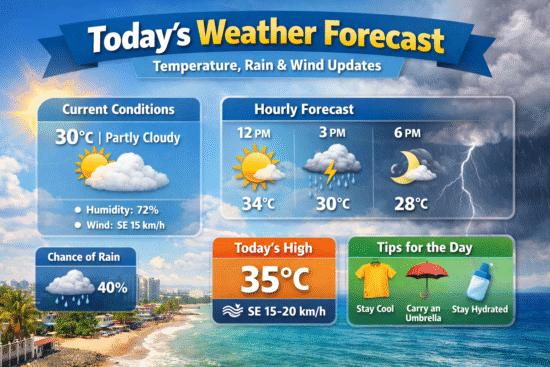
- Check the weather forecast (daily updates)
Winter in Gulmarg changes fast — it’s smart to check the latest updates 24 hours before arrival.
- Book official, certified guides
Especially for skiing, snowboarding, or off-trail activities.
- Always confirm Gondola status
Phase II often closes due to strong winds or snowstorms.
- Carry warm clothing — even in summer
Gulmarg evenings can get surprisingly cold.
- Travel during daylight
Driving after dark through forested areas isn’t ideal.
- Safety Measures During Snow Activities
If you’re there for skiing, snowboarding, or snowmobiling, these tips matter even more:
Wear proper gear
- Waterproof jacket & pants
- Snow boots
- Gloves
- Thermal layers
- Helmet (mandatory for skiing)
Respect Avalanche Warning Boards
If a sign says Do Not Enter, take it seriously.
Avoid going off-trail
Professional ski guides exist for a reason — Gulmarg’s slopes can hide danger under the snow.
Beware of hidden ice
Snow can look harmless but hide slippery ice underneath.
Road Safety While Reaching Gulmarg
Use a local Kashmir driver
They know snow routes, slippery corners, and safe shortcuts.
Avoid late-night travel
Wildlife sometimes crosses roads inside forest belts.
Tyre chains during heavy snowfall
These are often mandatory for vehicles going uphill to Gulmarg weather forecast
Safety Inside Hotels & Resorts
- Keep room heaters at safe distance from blankets
- Don’t leave electric blankets on for hours
- Avoid staying in isolated areas during heavy snowfall
- Always have extra water and snacks (rare shortages happen)
What to Pack for a Safe Trip
Winter Essentials – Gulmarg winter tips
- Thermals
- Waterproof snow jacket
- Snow boots
- Woolen socks
- Gloves + muffler
- Sunscreen (snow reflects UV!)
- Lip balm
- Power bank
- Basic medicines
- Hot water bag
Summer Essentials
- Light jacket
- Trekking shoes
- Sunglasses
- Reusable water bottle
- Rain cover (just in case)
Emergency Contacts (Important!)
(General info, not exact numbers)
- Local police
- Tourism help desk
- Ski patrol
- Gondola control room
- Hotel emergency desk
Always save your hotel’s emergency number — they respond faster than anyone.
Best Time to Visit (Safety-Wise)
| Season | Safety Level | Best For |
| March–May | ⭐⭐⭐⭐ | Pleasant weather & sightseeing |
| June–August | ⭐⭐⭐⭐ | Families, green scenery |
| Sept–Nov | ⭐⭐⭐⭐ | Calm weather, photography |
| Dec–Feb | ⭐⭐⭐ | Snow lovers & adventure seekers |
Winter is amazing but needs planning. Other seasons are smoother and safer.
Final Tips for a Smooth Gulmarg Trip
- Stick to official routes
- Don’t ignore local warnings
- Avoid solo trekking in winter
- Keep cash (ATMs may be limited)
- Hydrate — cold weather hides dehydration
- Don’t rush during snow activities
- Listen to locals — they understand the terrain best