How to Stay Safe from Lightning Strikes Hits During Rain: A Complete Survival Guide
How to Stay Safe from Lightning Strikes, there’s something awe-inspiring about watching a thunderstorm — the dark clouds rolling in, the distant rumbles, and the flashes of light cutting through the sky. But as beautiful as lightning may appear, it’s also one of nature’s most dangerous forces. Every year, thousands of people around the world are injured or killed by lightning strikes. Understanding how to stay safe when lightning hits during rain is not just common sense — it’s a lifesaving skill.
In this comprehensive guide, we’ll explore how lightning forms, what to do (and not do) during a storm, myths about lightning safety, and step-by-step measures to protect yourself, your loved ones, and your property.
Understanding Lightning: What Really Happens?
Lightning is a sudden electrostatic discharge that occurs when there’s an imbalance between clouds and the ground, or within the clouds themselves. Simply put, it’s a gigantic spark of electricity.
During a thunderstorm, particles in the cloud — such as water droplets and ice — rub against each other, building up electrical charges. The top of the cloud becomes positively charged, while the bottom becomes negatively charged. How to Stay Safe from Lightning Strikes, this imbalance leads to a massive flow of electrons: lightning.
A single bolt of lightning can:
- Heat the surrounding air to around 30,000°C (54,000°F) — five times hotter than the surface of the sun.
- Travel at speeds exceeding 220,000 miles per hour.
- Contain up to one billion volts of electricity.
It’s easy to see why even a single strike can cause immense damage and fatalities.
Why Rain and Lightning Often Go Hand-in-Hand
Most lightning occurs during rainstorms because both are products of thunderclouds. The rain itself doesn’t cause lightning, but it’s a visible sign that the storm has developed enough to produce electrical activity.
Many people mistakenly think that the rain makes it safer — that if it’s just “drizzling,” they can continue outdoor activities. However, lightning can strike even when it’s not raining directly overhead. In fact, bolts can travel as far as 10 to 15 miles away from the main storm clouds, in areas where the sky seems clear.
So, if you can hear thunder, you’re close enough to be struck.
Why Lightning Is So Dangerous
How to Stay Safe from Lightning Strikes, its effects are unpredictable and devastating. Here’s what makes it so dangerous:
- Direct strikes: When lightning directly hits a person, it can stop the heart, cause severe burns, or result in permanent neurological damage.
- Ground current: Lightning often hits the ground and spreads through it, affecting anyone standing nearby. This is the most common cause of lightning injuries.
- Side flash: Lightning can jump (or “flash”) from a taller object — like a tree or pole — to a nearby person.
- Conduction: Metal objects such as fences, pipes, or wires can conduct lightning electricity over long distances.
- Shockwave effects: The explosive force of a strike can throw people, shatter windows, or even damage hearing.
Lightning doesn’t just threaten humans — it also causes wildfires, damages electrical systems, and destroys property each year.
The 30-30 Rule: Your First Line of Defense
One of the simplest and most effective ways to protect yourself from lightning is to follow the 30-30 rule:
- If you see lightning, count the seconds until you hear thunder.
- If it’s 30 seconds or less, the storm is close enough to pose a threat — seek shelter immediately.
- Stay inside until 30 minutes after the last thunderclap before going back outdoors.
This rule is used globally by hikers, athletes, and outdoor workers to gauge storm proximity.
Where to Stay Safe During Lightning
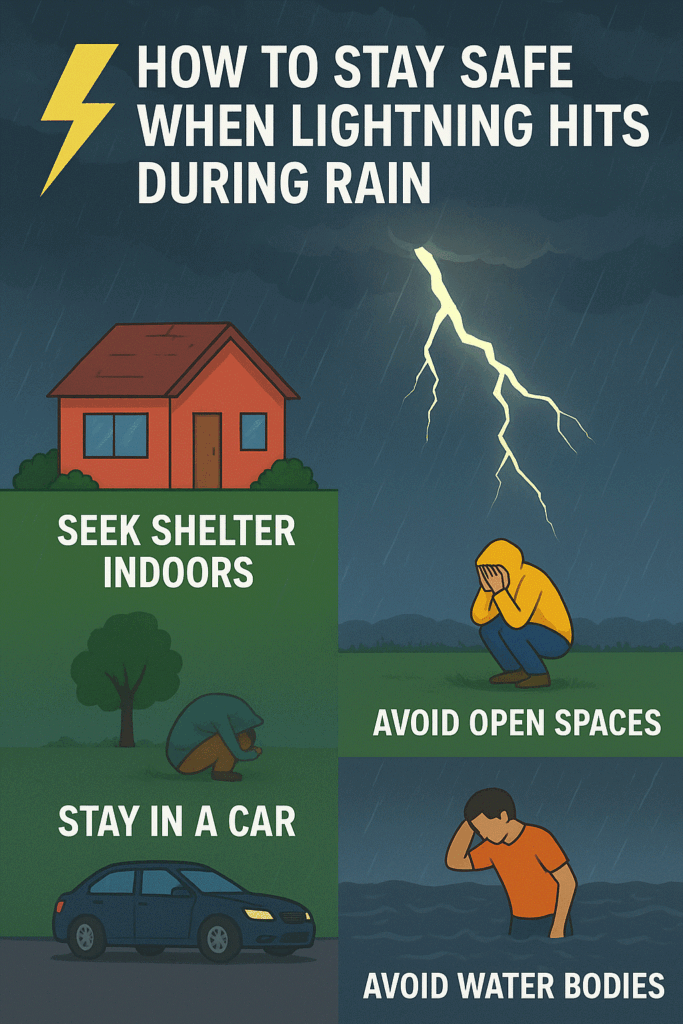
- Indoors: Your Safest Option
When lightning begins, your best protection is being inside a fully enclosed building with plumbing and wiring — such as a home, office, or school.
Once inside:
- Avoid electrical appliances like TVs, computers, or wired phones.
- Stay away from windows, doors, and porches.
- Don’t touch water. Avoid showers, sinks, and bathtubs — plumbing can conduct electricity.
- Unplug sensitive electronics. Power surges can damage them if lightning strikes nearby.
Myth Buster:
Hiding under a tree or staying on a porch is not safe. Lightning can jump from the tree or structure and strike you directly.
- In a Car: A Good Secondary Shelter
If you’re driving or caught outside with no building nearby, your car can be a lifesaver — but only if it has a metal roof and sides (convertibles and motorcycles don’t count).
Here’s why cars protect you:
The metal frame channels the lightning’s energy around you and into the ground — a phenomenon known as the Faraday cage effect.
When inside a car:
- Close windows and avoid touching metal parts or the radio.
- Pull over safely and turn off the engine.
- Wait at least 30 minutes after the last thunderclap before resuming your journey.
Places to Avoid During Lightning
When lightning hits during rain, avoid these high-risk areas at all costs:
- Open fields or hilltops: Lightning tends to strike the highest point.
- Under trees: The moisture and height make them prime lightning targets.
- Near metal objects: Such as fences, poles, or golf clubs.
- Bodies of water: Ponds, lakes, rivers, and even swimming pools conduct electricity efficiently.
- Isolated shelters: Picnic gazebos or tents do not offer adequate protection.
If you’re outdoors and can’t reach shelter, it’s crucial to minimize your risk.
What to Do If You’re Caught Outside
Sometimes, despite precautions, you might find yourself stuck outdoors when lightning starts to strike. Here’s how to handle it safely:
- Find Low Ground
Move to a valley or depression, but avoid waterlogged areas. Don’t lie flat — it increases the surface area for ground current to pass through you.
- Assume the Lightning Safety Position
- Crouch down on the balls of your feet.
- Keep your feet together.
- Tuck your head and cover your ears with your hands.
- Keep as little of your body touching the ground as possible.
This position helps reduce your risk of ground current injury.
- Separate from Others
If you’re in a group, spread out at least 20 feet apart. That way, if lightning hits one person, it’s less likely to affect others.
- Drop Metal Objects
Put down anything conductive — such as umbrellas, tools, or backpacks with metal frames. Move away from fences or railings.
- Avoid Open Water
If you’re swimming or boating, get to shore immediately. Water is an excellent conductor, and lightning can strike miles from where it rains.
What to Do If Someone Is Struck by Lightning
Lightning victims do not carry an electrical charge — it’s safe to touch and help them.
Here’s what to do immediately:
- Call emergency services (e.g., 911).
- Check for breathing and pulse. Start CPR if necessary.
- Look for burns or injuries. Lightning often causes both entry and exit wounds.
- Move them to a safe place. If the storm continues, drag them to shelter before providing further care.
- Stay calm. Many lightning strike victims can survive with quick medical attention.
Protecting Your Home from Lightning
While personal safety comes first, safeguarding your home is also essential.
- Install a Lightning Protection System
A professional system includes:
- Air terminals (lightning rods) — to intercept strikes.
- Conductors — to carry the current safely to the ground.
- Ground electrodes — to disperse electricity harmlessly.
These reduce structural damage risks.
- Use Surge Protectors
Lightning-induced power surges can destroy appliances. Use high-quality surge protectors, and unplug electronics during storms.
- Trim Tall Trees Near Your Home
Lightning often targets tall trees, which can catch fire or collapse on structures.
- Avoid Plumbing Work During Storms
If lightning hits near your home, water pipes can carry dangerous currents.
Lightning Safety Around the World
Different regions have varying lightning risks. For instance:
- Central Africa experiences the world’s most frequent lightning.
- Florida, USA, is known as the “Lightning Capital” of North America.
- India and Southeast Asia see spikes in lightning-related deaths during monsoon season.
Knowing your local climate and storm patterns can help you stay alert and prepared.
Common Myths About Lightning — Busted!
- Myth: Lightning never strikes the same place twice.
Fact: It can — and often does. The Empire State Building is hit about 20–25 times each year. - Myth: Rubber tires or shoes protect you.
Fact: They don’t. It’s the metal car body, not the rubber, that protects you. - Myth: You’re safe if it’s not raining.
Fact: Lightning can strike up to 15 miles away from rainfall. - Myth: Metal attracts lightning.
Fact: Metal doesn’t attract lightning, but it conducts electricity if struck. - Myth: Hiding under a tree is safe.
Fact: Trees are one of the worst places to seek shelter — side flashes are deadly.
Preparedness Tips Before a Storm
- Monitor weather forecast. Download reliable weather apps that send thunderstorm alerts.
- Plan ahead for outdoor activities. If thunderstorms are predicted, reschedule.
- Educate your family and children. Teach them basic lightning safety rules.
- Create an emergency kit with flashlights, batteries, and a first-aid kit.
- Stay off corded phones. Use mobile devices instead.
Preparedness saves lives. Lightning safety isn’t about fear — it’s about respect for nature’s power.
After the Storm
Even after the thunder stops, don’t rush outside immediately. Wait at least 30 minutes after the last thunderclap.
Then:
- Check your surroundings for fire or fallen power lines.
- Avoid touching downed wires.
- If electronics smell burnt, unplug them and call an electrician.
- Check for damage to trees and roofs.
Remember — safety continues even after the sky clears.
Final Thoughts
Lightning is a spectacular reminder of nature’s raw power — but it’s also a danger that demands our caution. The good news is, with awareness and the right safety measures, almost all lightning injuries and deaths are preventable.
Key takeaways:
- If you hear thunder, get indoors immediately.
- Never seek shelter under trees or near metal.
- Cars with metal roofs offer good protection.
- Stay indoors until 30 minutes after the last thunder.
- Help lightning victims immediately — they’re safe to touch.
How to Stay Safe from Lightning Strikes isn’t just about following rules; it’s about building habits of awareness and respect for weather conditions. Next time dark clouds gather, remember: when in doubt, go inside. Your safety is worth far more than a few extra minutes outdoors.