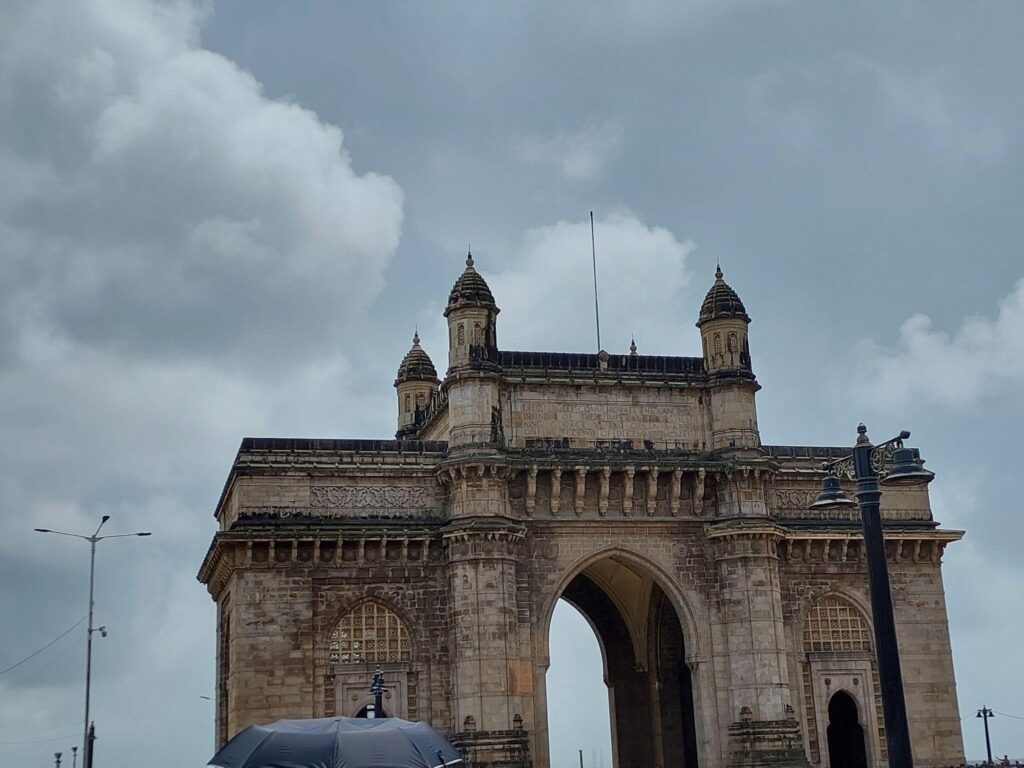
When the first drops of rain hit the streets of Mumbai, the city transforms. The air cools, the Arabian Sea turns dramatic, Marine Drive glistens under grey skies, and chai tastes better than ever. Monsoon in Mumbai is romantic, cinematic, and unforgettable — but it also comes with heavy downpours, waterlogging, traffic disruptions, and safety concerns.
If you’re planning to visit Mumbai during the rainy season, this detailed guide will help you enjoy the beauty while staying safe and prepared. And before stepping out each day, always check real-time rainfall and storm updates on Wide Weather to avoid surprises.
When Does Monsoon Start in Mumbai?
Mumbai’s monsoon season typically runs from:
June to September
- June: Monsoon arrival, sudden heavy showers
- July: Peak rainfall month
- August: Continued intense rain spells
- September: Gradual withdrawal
July is usually the wettest month, with frequent heavy rain and occasional flooding in low-lying areas.
Why Visit Mumbai During Monsoon?
Despite challenges, monsoon is one of the most atmospheric times to experience the city.
1. Cooler Temperatures
Compared to scorching summer heat, monsoon temperatures range between 24°C to 30°C, making outdoor exploration more comfortable.
2. Dramatic Coastal Views
The Arabian Sea looks powerful and mesmerizing. Watching waves crash at Marine Drive is a classic Mumbai monsoon experience.
3. Lush Green Surroundings
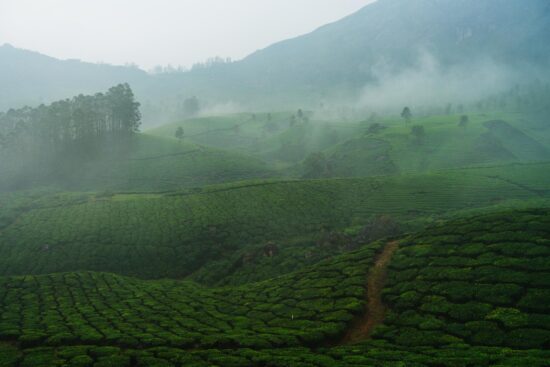
Nearby destinations like Lonavala and Matheran turn vibrant green.
4. Fewer Tourists
You’ll find lower hotel prices and fewer crowds at major attractions.
Challenges of Mumbai Monsoon
While beautiful, monsoon requires planning.
- Waterlogging in certain areas
- Traffic congestion
- Local train delays
- Occasional flight disruptions
- High humidity levels
Checking daily rainfall intensity on Wide Weather before planning long outings is highly recommended.
Monsoon Safety Tips for Travelers
1. Avoid Low-Lying Areas
Certain areas of Mumbai are prone to water accumulation during heavy rainfall. Avoid traveling through flooded streets and underpasses.
2. Track Rainfall Alerts
Heavy rainfall warnings are common in July and August. Always review weather alerts and rainfall forecasts before heading out.
3. Use Reliable Transportation
Local trains are the lifeline of Mumbai but may experience delays during extreme rain. Ride-sharing services can be safer during heavy downpours.
4. Stay Indoors During High Tide + Heavy Rain
When heavy rain coincides with high tide, flooding risk increases. It’s best to postpone outings during such conditions.
What to Pack for Mumbai Monsoon
Packing smart makes all the difference.
- Waterproof jacket or poncho
- Quick-dry clothing
- Waterproof footwear
- Small umbrella
- Anti-slip sandals
- Extra socks
- Power bank (for emergencies)
Avoid heavy denim and leather footwear — they take long to dry and become uncomfortable.
Best Things to Do in Mumbai During Monsoon
1. Marine Drive Walk (When Safe)
Watching the monsoon waves is iconic — but maintain safe distance from the sea. Authorities sometimes restrict access during extreme weather.
2. Visit Cafés & Local Eateries
Monsoon is perfect for enjoying street snacks like vada pav and hot chai. Choose hygienic spots to avoid water-borne illnesses.
3. Explore Museums & Indoor Attractions
Indoor options include:
- Chhatrapati Shivaji Maharaj Vastu Sangrahalaya
- Shopping malls
- Art galleries
- Historic buildings
4. Short Trips to Green Getaways
Places like Lonavala become breathtaking during monsoon, but road travel requires careful planning and constant weather monitoring.
Health & Hygiene Precautions
Monsoon brings humidity and water-borne diseases. Protect yourself with:
- Bottled or purified water
- Hand sanitizer
- Mosquito repellent
- Avoiding street food in flooded areas
Humidity can also cause skin irritation — breathable clothing helps.
Transportation Tips During Monsoon
Local Trains
May run late during extreme rain. Keep buffer time in your schedule.
Flights
Occasional delays due to heavy rainfall and low visibility.
Road Travel
Expect traffic jams. Avoid driving through waterlogged roads — hidden potholes can damage vehicles.
Photography in Monsoon
Mumbai monsoon offers incredible photography opportunities:
- Dramatic skies
- Reflection shots on wet roads
- Stormy coastline
- Green hills near the city
However, protect camera gear with waterproof covers.
When Should You Avoid Traveling?
Avoid travel plans if:
- Red alert rainfall warnings are issued
- Severe flooding is reported
- High tide warnings coincide with heavy rain
In such cases, reschedule sightseeing for safer days.
Ideal Itinerary Strategy During Monsoon
Morning: Indoor sightseeing or café visits
Afternoon: Short outings (check rainfall forecast first)
Evening: Marine Drive or Bandra promenade (only if weather permits)
Flexibility is key during monsoon travel.
Budget Benefits of Monsoon Travel
Monsoon is considered off-season for tourism, meaning:
- Lower hotel prices
- Discounted flights
- Fewer crowds at attractions
If you’re a flexible traveler who enjoys dramatic weather, monsoon can be rewarding.
Final Verdict
Mumbai during monsoon is raw, emotional, and cinematic. The rain gives the city character — but preparation is essential.
If you love rain, cooler temperatures, and fewer crowds, monsoon can be a fantastic time to visit. However, always prioritize safety, track rainfall intensity, and adjust plans based on live updates from Wide Weather.
With the right mindset and preparation, Mumbai monsoon can become one of your most memorable travel experiences.
Frequently Asked Questions (FAQs)
1. Is it safe to visit Mumbai during monsoon?
Yes, but travelers should monitor rainfall alerts and avoid flooded areas.
2. Which month has the heaviest rainfall in Mumbai?
July is typically the wettest month.
3. Can flights get cancelled during monsoon?
Yes, during extreme weather conditions, flights may be delayed or cancelled.
4. What should I avoid during Mumbai monsoon?
Avoid walking in flooded streets and standing close to high waves near the sea.
5. Is monsoon a good time for budget travel?
Yes, hotel and flight prices are usually lower.
6. Are local trains safe during heavy rain?
They are generally safe but may face delays during intense downpours.
7. How humid is Mumbai during monsoon?
Humidity levels are high, often above 70%, so breathable clothing is recommended.
Monsoon doesn’t slow Mumbai — it simply changes its rhythm. Travel smart, stay weather-aware, and embrace the rain safely.