Thunderstorms are one of the most powerful and dramatic weather events on Earth. They can bring intense lightning, heavy rain, strong winds, and sometimes even hail or tornadoes. While thunderstorms may look chaotic, they actually follow a very specific process of atmospheric changes.
Understanding what causes thunderstorms helps us better prepare for severe weather and recognize the signs of a storm developing. In this guide, we’ll explain in simple terms how thunderstorms form, why they produce lightning and thunder, and what conditions are needed for them to develop.
What Is a Thunderstorm?
A thunderstorm is a type of storm characterized by lightning, thunder, heavy rain, and strong winds. Thunderstorms form when warm, moist air rises rapidly into the atmosphere and interacts with colder air above.
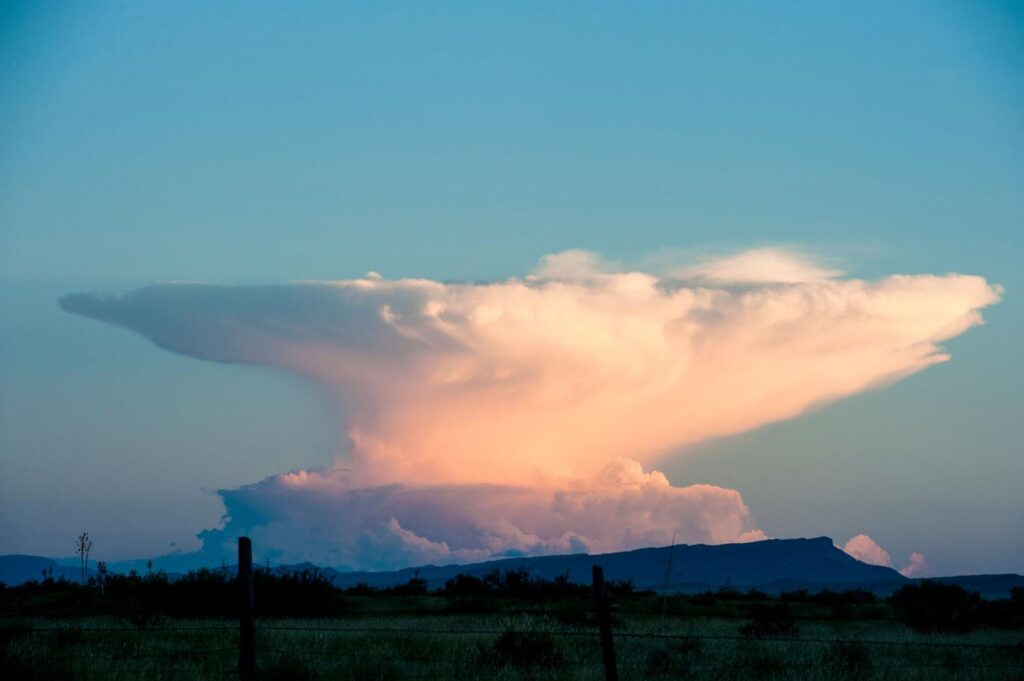
These storms are usually associated with towering cumulonimbus clouds, which can grow up to 10–12 kilometers (6–7 miles) high.
Thunderstorms can vary in strength. Some storms last only 30 minutes and produce moderate rain, while others can become severe and cause flooding, hailstorms, or damaging winds.
The Three Main Ingredients of a Thunderstorm
For a thunderstorm to develop, three key atmospheric ingredients must be present.
1. Moisture
Moisture in the air is the most important ingredient for storm formation. When the air contains high levels of water vapor, it provides the fuel needed for cloud development.
Warm air can hold more moisture than cold air, which is why thunderstorms are most common during summer or in tropical regions.
When moist air rises and cools, the water vapor condenses into clouds and releases energy that helps the storm grow stronger.
2. Unstable Air
Unstable air occurs when warm air near the ground rises quickly because the air above it is cooler.
This temperature difference creates upward movement in the atmosphere. As the warm air rises rapidly, it forms large storm clouds.
The stronger the instability in the atmosphere, the taller and more powerful the thunderstorm can become.
3. A Lifting Mechanism
Even if moisture and unstable air are present, something must push the warm air upward to start the storm process. This is called a lifting mechanism.
Common lifting mechanisms include:
-
Cold fronts
-
Sea breezes
-
Mountain slopes
-
Converging winds
These forces push warm air upward, allowing storm clouds to begin forming.
How Thunderstorms Form: Step-by-Step
Thunderstorms usually develop in three main stages.
1. Cumulus Stage
The first stage begins when warm, moist air rises quickly into the atmosphere.
As the air rises, it cools and forms cumulus clouds. During this stage:
-
Clouds begin to grow vertically
-
Updrafts (rising air) become stronger
-
Moisture condenses into water droplets
At this point, the storm is building energy but has not yet produced rain or lightning.
2. Mature Stage
The mature stage is when the thunderstorm becomes fully developed and most intense.
During this stage:
-
Heavy rain begins to fall
-
Lightning and thunder occur
-
Strong winds develop
-
Updrafts and downdrafts occur simultaneously
Downdrafts happen when rain-cooled air falls toward the ground, spreading outward as strong wind gusts.
This stage is when thunderstorms are most dangerous.
3. Dissipating Stage
Eventually, the storm begins to weaken.
In the dissipating stage:
-
Downdrafts dominate the storm
-
Rain gradually decreases
-
Cloud structure collapses
-
Lightning activity reduces
Without strong updrafts feeding warm air into the storm, it slowly dies out.
Many thunderstorms last about 30–60 minutes, but larger storm systems can persist much longer.
What Causes Lightning in Thunderstorms?
Lightning forms when electrical charges build up inside storm clouds.
Inside a thunderstorm, ice particles, water droplets, and hail collide with each other. These collisions create positive and negative electrical charges.
Typically:
-
Positive charges accumulate at the top of the cloud
-
Negative charges gather near the bottom
When the electrical difference becomes strong enough, a powerful electrical discharge occurs — this is lightning.
Lightning can occur:
-
Within clouds
-
Between clouds
-
Between clouds and the ground
Ground lightning is the most dangerous type.
Why Do We Hear Thunder?
Thunder is the sound produced by lightning.
When lightning strikes, it heats the surrounding air to temperatures hotter than the surface of the sun (around 30,000°C).
This sudden heating causes the air to expand rapidly, creating a shockwave. That shockwave travels through the air as sound — which we hear as thunder.
Because light travels faster than sound, we usually see lightning before hearing thunder.
Types of Thunderstorms
Not all thunderstorms are the same. Meteorologists classify them into several categories.
Single-Cell Thunderstorms
These are small storms that develop and dissipate quickly. They usually last less than an hour and rarely cause severe damage.
Multi-Cell Thunderstorms
These storms consist of multiple thunderstorm cells forming together. They can produce heavy rain, strong winds, and sometimes hail.
Supercell Thunderstorms
Supercells are the most powerful and dangerous type of thunderstorm. They have a rotating updraft known as a mesocyclone.
Supercells can produce:
-
Tornadoes
-
Large hail
-
Damaging winds
-
Severe lightning
Fortunately, they are less common than ordinary thunderstorms.
When and Where Thunderstorms Occur Most
Thunderstorms can occur anywhere in the world, but they are most common in regions with warm, humid climates.
Thunderstorms frequently occur in:
-
Tropical regions
-
Southeast Asia
-
Central Africa
-
The United States
-
India during the monsoon season
In India, thunderstorms are particularly common during pre-monsoon months and monsoon season, when warm moist air and atmospheric instability are at their peak.
Safety Tips During a Thunderstorm
Thunderstorms can develop quickly and become dangerous. Following basic safety precautions can reduce risks.
Important safety tips include:
-
Stay indoors during lightning storms
-
Avoid open fields and tall trees
-
Do not use wired electrical appliances
-
Stay away from metal objects and water
-
Seek shelter if thunder is heard
If you hear thunder, lightning is close enough to strike.
Why Thunderstorms Are Important for the Environment
Despite their dangers, thunderstorms play an important role in Earth’s climate system.
They help:
-
Redistribute heat in the atmosphere
-
Provide rainfall for ecosystems
-
Clean pollutants from the air
-
Maintain atmospheric balance
Thunderstorms also contribute to the global water cycle by returning moisture to the Earth’s surface.
Frequently Asked Questions (FAQ)
What causes thunderstorms to form?
Thunderstorms form when warm, moist air rises rapidly into the atmosphere and interacts with cooler air. This process creates towering storm clouds that produce lightning, thunder, rain, and strong winds.
What are the three ingredients needed for thunderstorms?
The three main ingredients are moisture, unstable air, and a lifting mechanism that pushes warm air upward.
How long do thunderstorms usually last?
Most thunderstorms last between 30 minutes and one hour, though larger storm systems can continue for several hours.
Why does lightning happen during thunderstorms?
Lightning occurs when electrical charges build up inside storm clouds. When the charge difference becomes strong enough, electricity is released as lightning.
Are thunderstorms dangerous?
Yes, thunderstorms can be dangerous because they may produce lightning, heavy rain, flash floods, hail, and strong winds. Severe thunderstorms can even produce tornadoes.