Why Should I Be Afraid of the Weather? Understanding Nature’s Hidden Dangers
Introduction: The Power We Often Ignore
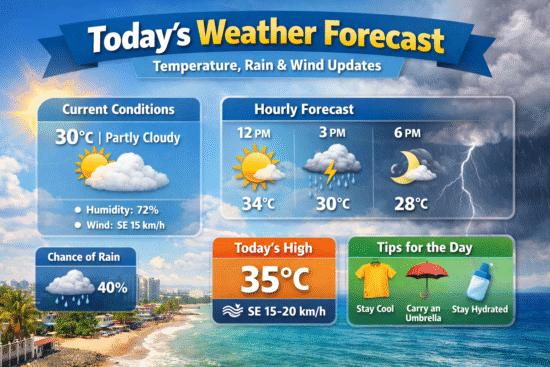
Weather Forecast – Weather is something we experience every day—sunny mornings, overcast afternoons, pleasant breezes, light rainfall. Because it’s so ubiquitous, many people underestimate how powerful and unpredictable it can be. However, one of the few factors on the planet that has the power to destroy large cities, harm the ecosystem, and even endanger human life is the weather.
But should we really be afraid of the weather?
The truth is—fear isn’t the goal. Awareness is.
We can stay safer, travel more wisely, and show greater respect for the environment if we are aware of the risks concealed by common weather forecast patterns. This blog examines the reasons why we should be mindful of, cautious of, and respectful of the weather.
1. Weather Is More Powerful Than We Realize
We often think that severe weather means only dramatic events like cyclones or tornadoes. But even common weather conditions can become dangerous if underestimated.
Heatwaves
Heatwaves are silent killers. They don’t look threatening, but they affect millions every year. Extreme heat can cause:
- Heat exhaustion
- Heatstroke
- Dehydration
- Blackouts due to high electricity usage
Cities like Delhi, Chennai, and Phoenix regularly cross 45°C, turning everyday outdoor travel into a health risk.
Heavy Rainfall
Rain seems harmless, but heavy rainfall can quickly lead to:
- Flash floods
- Road accidents
- Landslides
- Power cuts
In many Asian countries, sudden cloudbursts can destroy infrastructure and cause major losses.
2. Weather Affects Your Safety Every Day
The weather can effect you even if you are not in the midst of a storm. Abrupt weather changes can make even routine everyday tasks risky.
Driving Risks
Weather-related driving accidents increase during:
- Fog
- Rain
- Snow
- Ice
- High winds
Slippery roads, low visibility, and waterlogging cause thousands of accidents worldwide every year.
Outdoor Activity Risks
Whether you’re hiking, walking, or simply commuting, unexpected weather changes can be risky. A sunny sky can turn to thunder in minutes.
Health Risks
Weather forecast – Weather affects the human body more than we think:
- Cold temperatures can cause hypothermia
- High humidity causes dehydration
- Sudden temperature drops trigger joint pain and respiratory issues
So being aware of weather conditions is essential for staying healthy.
3. Extreme Weather Is Increasing Due to Climate Change
Climate change is making the weather more unpredictable and severe. This means:
- Stronger cyclones
- More heatwaves
- More intense rain
- Longer droughts
- Unpredictable seasonal patterns
Events that once occurred every few decades now happen every few years—or even yearly.
Examples Around the World:
- Australia’s bushfires
- India’s record-breaking heat
- Europe’s unexpected winter storms
- America’s increase in hurricanes
Being prepared is no longer optional—it’s necessary.
4. Weather Can Affect Your Home and Finances
Many people fear storms because of their impact on property. Weather events can cause:
- Roof damage
- Flooding
- Uprooted trees
- Water leakage
- Structural issues
Insurance claims spike during extreme weather seasons. A small storm can lead to thousands of dollars in damage.
Financial Costs of Weather Damage
- Cyclone damage can cost millions
- Flood recovery can take months
- Heatwaves increase electricity bills
- Droughts affect food prices
Understanding weather patterns can help reduce financial loss.
5. Weather Controls Your Travel Plans
Travelers know the fear of cancelled flights, delayed trains, or unsafe road conditions.
Weather-Related Travel Issues
- Airport closures
- Flight turbulence
- Road blocks
- Flooded tourist spots
- Closed trekking routes
Tourism industries rely heavily on accurate weather forecasting. This is why travellers must always check weather updates before planning a trip.
6. Weather Forecasts Can Save Lives
Weather apps, satellites, and forecasts exist for a reason—they alert us before danger arrives.
Benefits of Weather Forecasts
- Warn people about cyclones or storms
- Help fishermen avoid rough seas
- Guide farmers in crop planning
- Help travellers plan safely
- Alert cities about flood risks
A simple forecast can protect thousands of people.
Why People Ignore Forecasts
Many think:
- “It won’t happen to me.”
- “Weather reports are not always accurate.”
- “It’s just rain, nothing more.”
But even an imperfect prediction is better than no warning at all.
7. Should You Be Afraid of the Weather?
Fear isn’t the solution—but respecting the weather is essential.
What You Should Do:
- Check forecasts daily
- Follow local weather warnings
- Avoid risky travel during storms or heavy rain
- Stay prepared with emergency kits
- Protect your home during extreme seasons
Weather becomes dangerous only when we underestimate it.
8. How to Stay Safe During Different Weather Conditions
During Heavy Rain or Floods
- Avoid driving through water
- Stay on higher ground
- Keep electronics charged
- Follow evacuation alerts
During Heatwaves
- Stay hydrated
- Avoid going out in peak afternoon
- Use light clothing
- Check on elderly family members
During Storms or High Winds
- Stay indoors
- Secure outdoor items
- Keep emergency supplies ready
During Cold Waves
- Wear layered clothing
- Avoid staying outside for long
- Use heaters safely
- Keep pets indoors
Conclusion: Respect the Weather, Don’t Fear It
Weather forecast is a part of our lives—beautiful, powerful, and sometimes dangerous. You don’t need to live in fear of it, but you do need to understand it. By staying informed, checking forecasts, and preparing wisely, you can protect yourself and your loved ones. In the end, weather isn’t something to fear—it’s something to respect.