Japan is one of the most seasonally beautiful countries in the world. From delicate pink cherry blossoms in spring to vibrant autumn foliage, the country transforms dramatically throughout the year. But if your dream is to experience Japan at its most iconic — under a canopy of blooming sakura — while also enjoying comfortable temperatures, then timing your trip is essential.
The best time to visit Japan for cherry blossoms and pleasant weather is generally late March to early April, though it varies by region. In this detailed guide, you’ll learn when and where to go, how crowds impact travel, and how to balance bloom timing with comfortable conditions.
Understanding Cherry Blossom Season in Japan
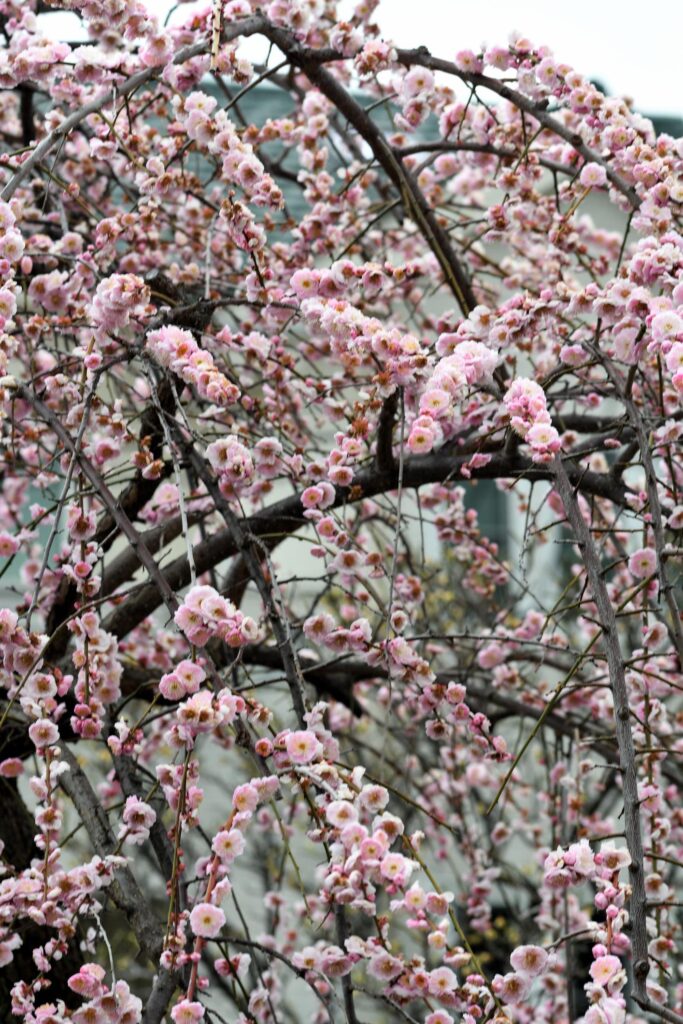
Cherry blossom season, known as sakura season, is short but magical. The blooming period typically lasts:
-
About 7–10 days for full bloom
-
1–2 weeks total including early bloom and falling petals
The blossoms move northward across the country like a wave, starting in southern Japan and gradually reaching northern regions.
Weather plays a major role in bloom timing. A warmer spring can cause early blooming, while colder temperatures may delay it by a week or more.
Cherry Blossom Forecast by Region
🌸 Tokyo & Kyoto (Late March – Early April)
Best time: March 25 – April 5 (varies slightly each year)
Cities like Tokyo and Kyoto are the most popular destinations during sakura season.
Weather:
-
Temperatures: 10–18°C (50–65°F)
-
Mild and comfortable
-
Light jackets recommended
These cities offer iconic viewing spots:
-
Ueno Park
-
Philosopher’s Path
Expect large crowds and higher accommodation prices.
🌸 Osaka & Hiroshima (Late March – Early April)

Osaka and Hiroshima bloom around the same time as Kyoto.
Weather is similarly mild and pleasant, making this one of the most comfortable times of year to explore Japan.
Popular sakura spot:
-
Osaka Castle
🌸 Hokkaido (Late April – Early May)

If you miss the main bloom in central Japan, head north to Hokkaido.
Weather:
-
Cooler than Tokyo
-
8–15°C (46–59°F)
-
Crisp and fresh spring air
Famous viewing area:
-
Sapporo
Crowds are lighter compared to Tokyo and Kyoto.
Why Spring Offers the Most Pleasant Weather
Beyond cherry blossoms, spring is one of Japan’s most comfortable seasons:
-
Low humidity
-
Minimal rainfall compared to summer
-
Clear skies
-
Comfortable walking temperatures
Unlike summer, which can be hot and humid, spring allows you to explore cities and temples comfortably for hours.
Peak Crowds During Sakura Season
Cherry blossom season is one of Japan’s busiest travel periods.
Expect:
-
Fully booked hotels
-
Higher airfare
-
Crowded parks and train stations
-
Popular restaurants with long waits
To manage crowds:
-
Book accommodations 2–3 months in advance.
-
Visit parks early in the morning.
-
Explore less crowded neighborhoods.
Despite crowds, the atmosphere is festive and joyful, with locals enjoying hanami (flower viewing picnics).
If You Want Cherry Blossoms Without Extreme Crowds
Consider:
-
Traveling midweek instead of weekends.
-
Visiting lesser-known cities.
-
Going slightly before or after peak bloom.
Alternative destinations:
-
Kanazawa
-
Takayama
-
Smaller towns in the Kansai region
You’ll still see beautiful blossoms but with fewer tourists.
What If You Miss Cherry Blossom Season?
If you cannot travel in late March or early April, Japan still offers pleasant weather in:
Late April to May
-
Warm but not humid
-
Fewer tourists after Golden Week
-
Fresh greenery season
October to November
-
Cool and crisp
-
Stunning autumn foliage
-
Lower humidity
Autumn is often considered equally beautiful and less crowded than sakura season.
When Is the Absolute Best Time?
If your goal is both:
✔ Cherry blossoms
✔ Comfortable weather
✔ Iconic scenery
Then aim for:
March 25 to April 5 in Tokyo and Kyoto
For slightly fewer crowds with similar beauty:
Late April in Hokkaido
Budget Considerations
Peak sakura season means:
-
Higher hotel rates (often 30–50% more)
-
Expensive last-minute train bookings
-
Limited availability in central districts
If budget matters:
-
Book early.
-
Stay slightly outside city centers.
-
Consider regional cities instead of major capitals.
Quick Month-by-Month Overview
March: Cherry blossoms begin in southern and central Japan. Cool but pleasant.
April: Peak bloom in central Japan early in the month. Northern regions bloom later.
May: Warmer, green landscapes, fewer crowds after Golden Week.
June: Start of rainy season. Humid conditions.
July–August: Hot and humid summer. Festival season but less comfortable weather.
September: Typhoon season possible.
October–November: Crisp autumn weather and colorful leaves.
December–February: Cold winter, especially in northern regions.
Frequently Asked Questions
How long do cherry blossoms last?
Full bloom typically lasts about one week. The entire viewing window is around two weeks.
Can I predict cherry blossom timing exactly?
Forecasts are released annually, but exact bloom dates depend on temperature patterns.
Is late March too cold?
No. Temperatures are cool but comfortable with a light jacket.
Is Japan too crowded during cherry blossom season?
Popular spots are crowded, but early mornings and less touristy areas remain manageable.
Which city is best for first-time visitors during sakura season?
Tokyo and Kyoto offer the most iconic experiences and excellent infrastructure for tourists.
Is April better than March?
Early April is ideal for central Japan. Late April works best for northern areas like Hokkaido.
Final Thoughts
The best time to visit Japan for cherry blossoms and pleasant weather is during early spring, particularly late March to early April. You’ll experience mild temperatures, breathtaking pink landscapes, and a uniquely Japanese celebration of seasonal beauty.
If you plan carefully and book early, your cherry blossom trip can be one of the most unforgettable travel experiences in the world.